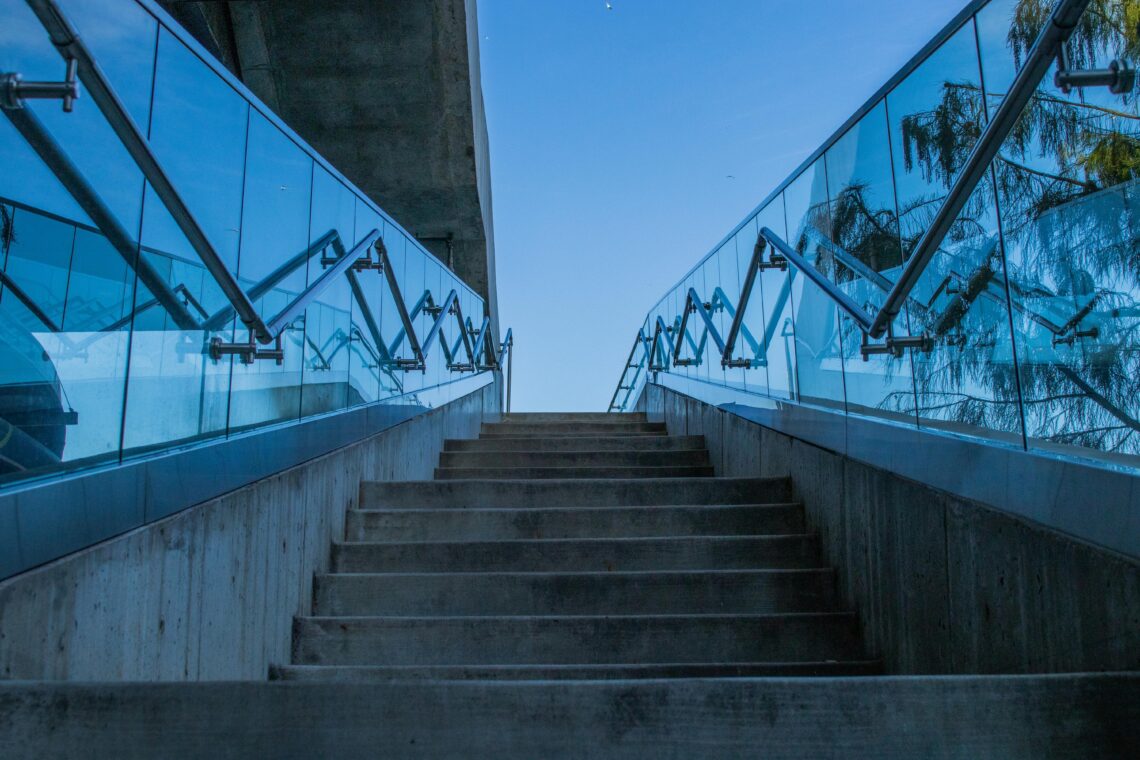
In today’s evolving architectural landscape, materials are no longer chosen just for functionality—they are selected for experience, aesthetics, and long-term value. In New York alone, we’ve seen a dramatic shift in how designers, architects, and property owners approach railing systems.
Glass railings are no longer an alternative—they are competing head-to-head with traditional steel and iron railings, and in many modern projects, they are winning.
The Traditional Standard: Steel & Iron Railings
For decades, steel and iron railings dominated architecture due to their:
- High strength and durability
- Industrial and classic appearance
- Ability to withstand heavy loads
Steel, in particular, is considered one of the strongest railing materials, capable of resisting impact and long-term wear.
However, architecture has evolved—and so have expectations.
The Rise of Glass Railings
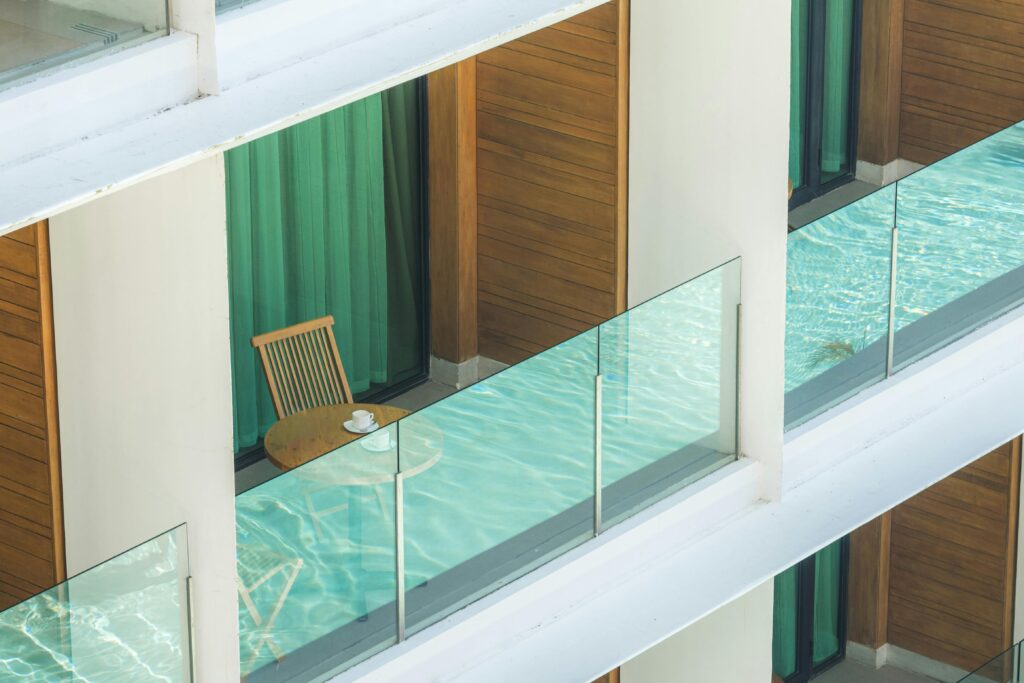
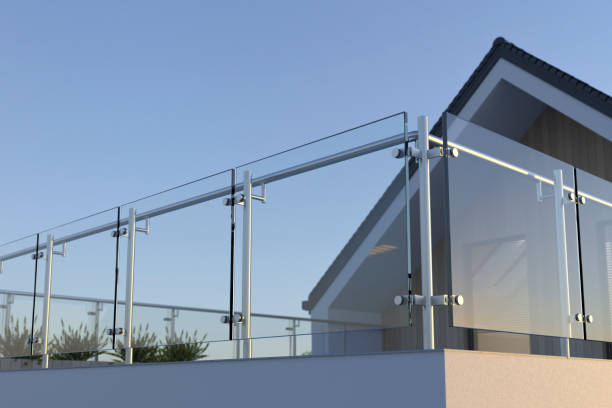
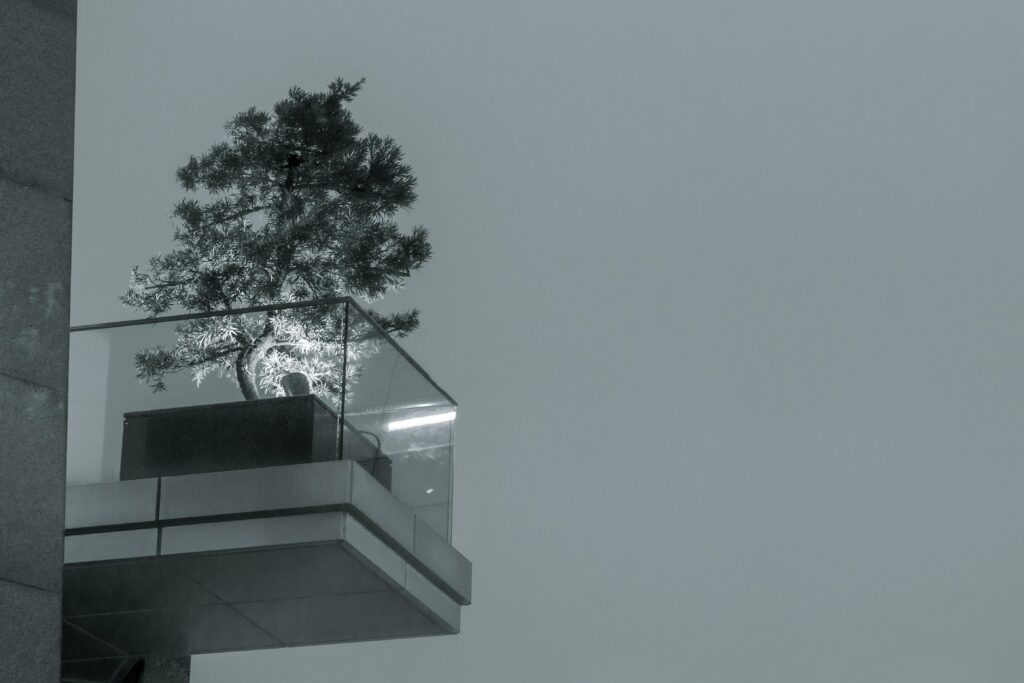
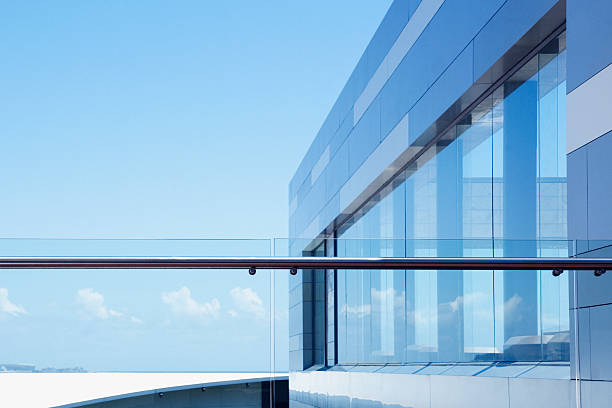
Glass railings have emerged as a design revolution, transforming how spaces look and feel. Instead of acting as barriers, they create continuity between spaces.
Unlike traditional materials, glass:
- Maintains unobstructed views
- Allows natural light to flow freely
- Creates an open, spacious environment
This is why glass railings are now widely used in:
- Corporate offices
- Luxury hotels
- Modern homes
- Commercial complexes

Glass vs Steel/Iron: The Real Competition
1. Aesthetics & Visual Impact
Steel and iron railings often create a visual boundary. Their bars, grills, or panels can block sightlines and make spaces feel enclosed.
Glass railings, on the other hand:
- Deliver a clean, minimalist appearance
- Enhance interior and exterior design
- Make spaces appear larger and brighter
In modern architecture, visual openness is more valuable than physical separation.
2. Light & Space Optimization
Traditional railings interrupt light flow.
- Allow sunlight to pass through uninterrupted
- Reduce the need for artificial lighting
- Create a seamless indoor-outdoor connection
Modern architecture prioritizes natural lighting and spatial fluidity, making glass the preferred choice.
3. Safety: Breaking the Biggest Myth
One of the biggest misconceptions is that glass is fragile.
In reality:
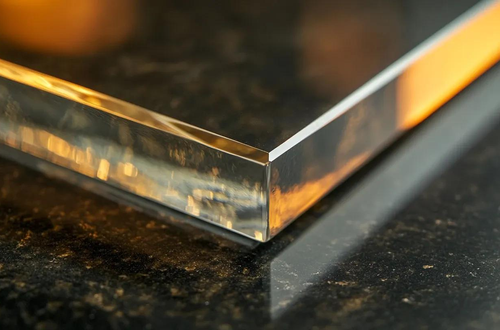
- Glass railings use tempered or laminated safety glass
- They are up to 5x stronger than regular glass
- If broken, they shatter into blunt, non-sharp pieces
Steel may be stronger structurally, but glass is engineered for safety with advanced technology.
4. Durability & Weather Resistance
Steel and iron railings:
- Can rust over time (if not properly treated)
- Require coatings or repainting
- May degrade in coastal or humid environments
- Do not rust or corrode
- Resist weather damage
- Maintain clarity and structure for years
In long-term performance, glass offers low degradation with high visual retention.
5. Maintenance & Practicality
Steel:
- Requires occasional repainting or anti-rust treatment
- Requires regular cleaning for a spotless look
While glass needs more cleaning, it offers a premium finish that remains visually consistent over time.
6. Design Flexibility
Glass railings offer unmatched customization:
- Frameless designs
- Frosted or etched patterns
- Tinted or colored glass
- Integration with LED lighting
Steel and iron designs, while versatile, often lean toward:
- Industrial
- Traditional
- Decorative metalwork
Glass adapts better to modern, luxury, and minimalist designs.
Glass Railings Are the Latest Architectural Trend
Modern architecture is shifting toward open-plan living and transparency. Glass railings perfectly align with this concept by eliminating visual barriers. Moreover, glass railings instantly elevate the perception of a space:
- More luxurious
- More contemporary
- More high-end
This is why they are heavily used in hotels, corporate offices, and premium residences.
Along with trendsetting designs, glass railings enhance the perception of luxury. Therefore, the use of glass railings can vividly enhance the valuation of your space and resale values. So, in many terms, glass railings are setting trends for all the positive reasons. That’s a Bear Glass point-of-view. Don’t you agree?