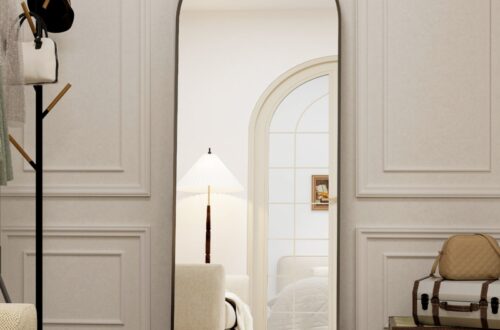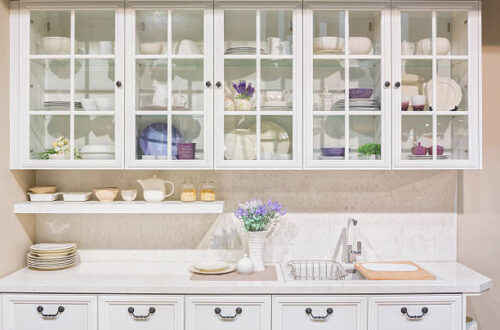
Let’s dive a bit into history of glass. America’s glass history is no small factor. Since early 1800, glass turned into a household and everyday useable commodity in terms of decoration, transportation sectors, and more.
Before the 19th century, nearly all glass in America was hand-blown. Skilled artisans shaped molten glass using traditional techniques passed down through generations. While beautiful, this process was slow and expensive. Industrialization changed everything.
Steam-powered machinery, improved furnace designs, and new production methods allowed glass to be made faster, cheaper, and in larger quantities. Factories replaced small glasshouses, and output increased dramatically. This shift made glass more accessible to the average American household for the first time.
The Rise of American Glass Cities (1800s)
As glass production expanded, certain regions became major glassmaking hubs due to access to raw materials, fuel, and transportation routes.
Some of the most important glass-producing regions included:
- Pennsylvania, especially Pittsburgh, known for its coal resources
- Ohio, with easy access to sand and transportation
- New Jersey, which became a key center for industrial and architectural glass
- West Virginia, later famous for specialty and decorative glass
These areas attracted skilled workers, engineers, and entrepreneurs, creating communities built almost entirely around glass production. In fact, from these areas we got the vanguards of glass business, whose dreams & ideas are still inspiring and reshaping the modern glass industry.
In 1900s, the approach towards glass production took a new turn with the rise of skyscrapers across the USA. It transformed the architecture for good. Glass was no longer just an accessory—it became essential to urban design. Natural light flooded offices, improving working conditions and redefining interior spaces.
Technological Advances in Flat Glass
To meet architectural demands, the glass industry developed improved methods for producing flat glass. Innovations during this era focused on:
- Greater clarity and uniform thickness
- Larger sheet sizes
- Stronger and more reliable glass
Manufacturers refined polishing and rolling techniques, reducing distortion and imperfections. These advancements made it possible to use glass confidently in commercial and institutional buildings.
Glass in Homes and Public Buildings
Beyond commercial use, glass became a staple in residential and public architecture. Schools, libraries, hospitals, and government buildings adopted larger windows to promote healthier, brighter environments.
In homes, glass connected indoor spaces with the outdoors. Sunrooms, bay windows, and glass doors became popular, reflecting a growing desire for openness and natural light.
Between 1950 and 2000, glass began to evolve in a new direction. It was no longer valued only for function or structure—it became a medium for innovation, artistic expression, and advanced performance.
The Post-War Boom and Material Innovation
After World War II, the United States experienced rapid economic growth. New construction, suburban expansion, and technological advancement created a surge in demand for better materials.
Glass manufacturers responded by developing:
- Stronger and lighter glass
- Improved coatings and treatments
- Heat-resistant and impact-resistant glass
The Rise of Tempered and Laminated Glass
Safety and durability became top priorities in modern design. This led to widespread adoption of tempered and laminated glass, which offered greater strength and safer breakage patterns.
These innovations made glass suitable for:
- High-traffic commercial spaces
- Automotive windshields
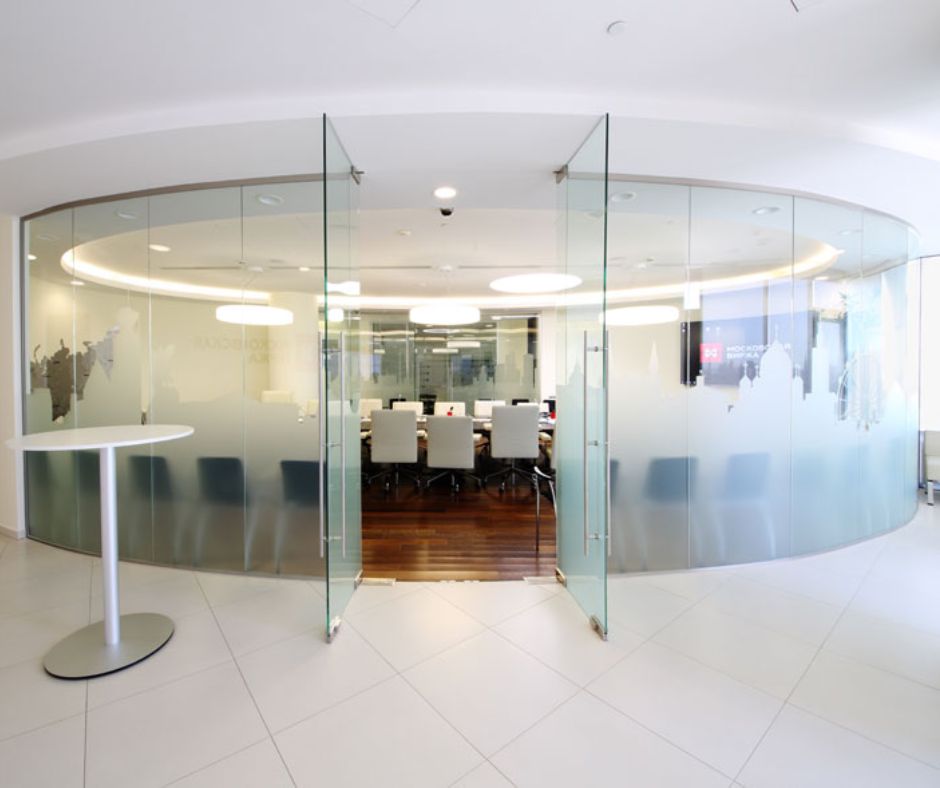
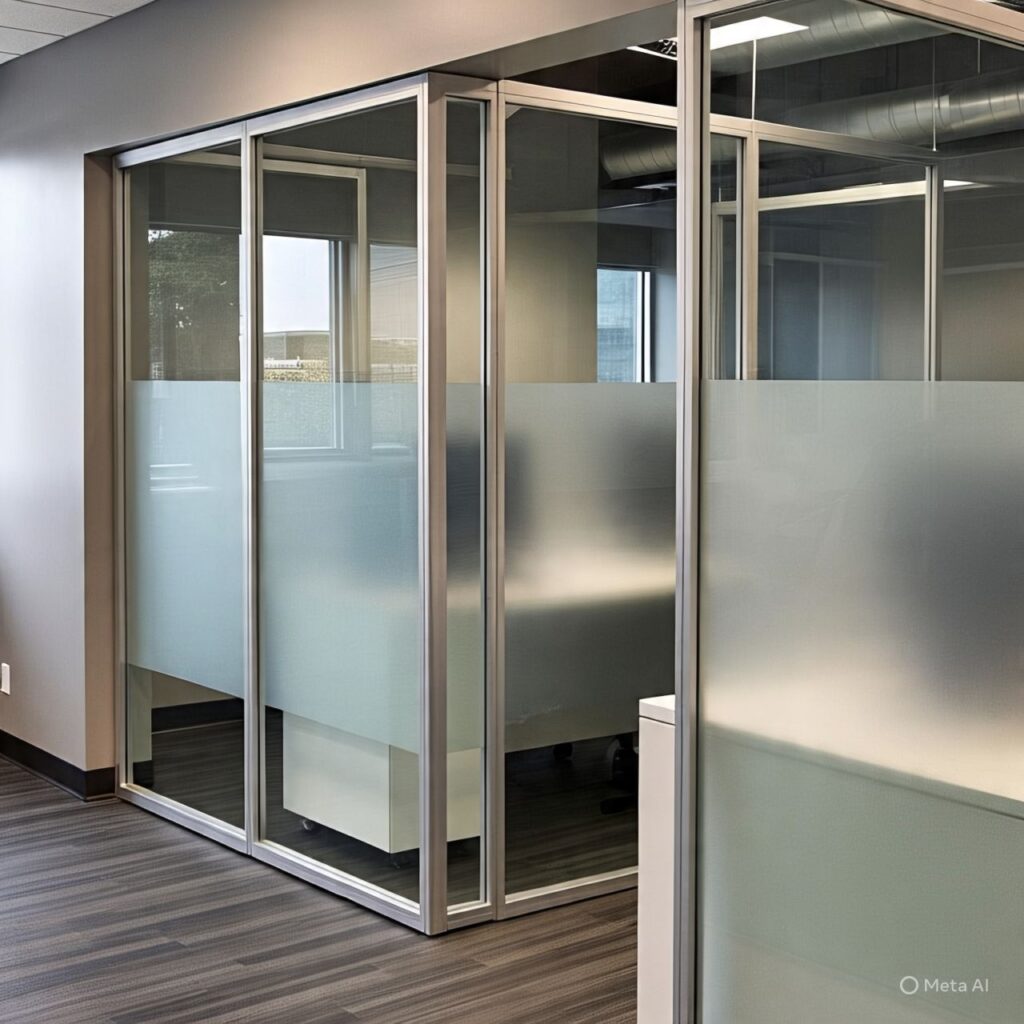
- Glass doors and partitions
- Public infrastructure

Artistic Glass and the Studio Glass Movement
While industry focused on performance, artists were redefining what glass could be creatively. The Studio Glass Movement, which began in the 1960s, encouraged artists to work with glass in small studios rather than large factories.
This movement:
- Treated glass as a fine art medium
- Blended craftsmanship with experimentation
- Brought glass into galleries and museums
During this period, decorative glass saw a major resurgence. Architects and designers began using:
- Etched glass
- Frosted and patterned glass
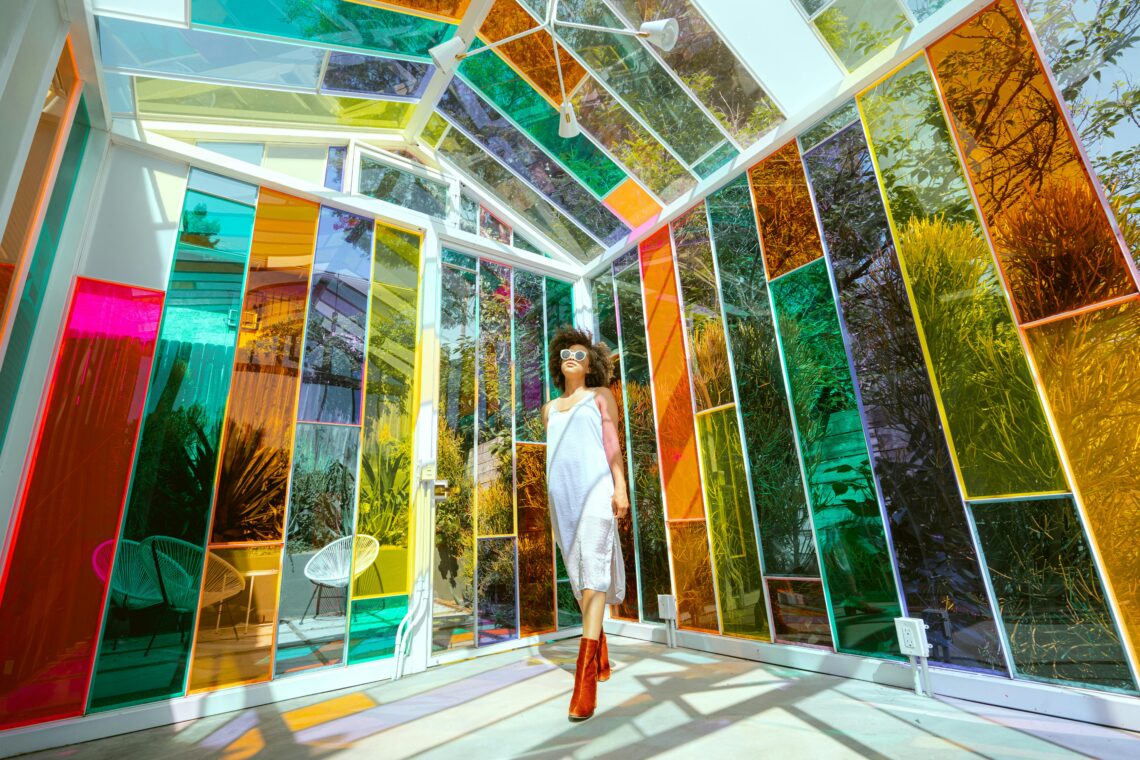
- Tinted and colored glass
These materials allowed buildings to balance privacy with light, blending function and aesthetics. Specialty glass became a signature feature in offices, hotels, restaurants, and luxury homes.
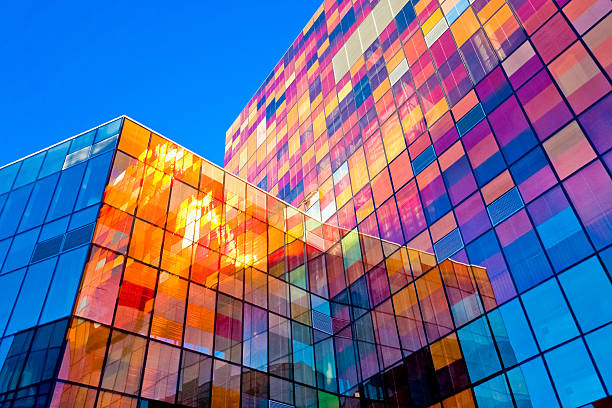
Since the late 20th century, glass had become a material of choice for expressing identity—whether through bold architectural statements or artistic installations. It could be transparent or dramatic, subtle or bold.
Today, American glassmaking stands at the intersection of engineering, design, and creativity, ready for the upcoming challenges which are reshaping the urban art and architecture, alongside science, education, researches, as well as rides.