When we think of Hollywood movies, what often comes to mind are breathtaking visuals, spellbinding illusions, and scenes that seem to defy reality. Behind many of these unforgettable moments lies an unsung hero of filmmaking — glass and mirrors. From creating visual trickery to enhancing lighting and mood, the use of reflective surfaces in cinema has shaped the visual storytelling of countless iconic films.
A Historical Reflection: Mirrors in Early Cinema
The use of mirrors in filmmaking dates back to the early 20th century, when special effects artists had to rely entirely on in-camera techniques. Before CGI and digital compositing, mirrors were used to create illusions such as ghostly apparitions, doppelgängers, and infinite reflections.
A famous example is the “Pepper’s Ghost” illusion, developed in the 19th century and later adapted for film. By strategically placing glass at a 45-degree angle between the camera and a hidden scene, filmmakers could create the illusion of transparent or spectral figures — an effect used in early horror and fantasy films.
The Mirror Shot: Symbolism and Storytelling
Beyond illusion, mirrors serve a powerful symbolic purpose in storytelling. Directors often use reflections to explore themes of identity, duality, and self-perception. Some of the most memorable mirror scenes in Hollywood history include:
- “Taxi Driver” (1976) – Robert De Niro’s “You talkin’ to me?” scene uses a mirror to depict psychological breakdown and self-confrontation.
- “Black Swan” (2010) – Darren Aronofsky’s use of mirrors amplifies the protagonist’s descent into madness, blurring the line between self and shadow.
- “The Matrix” (1999) – The melting mirror scene symbolizes Neo’s transition from illusion to reality — a literal reflection of awakening.
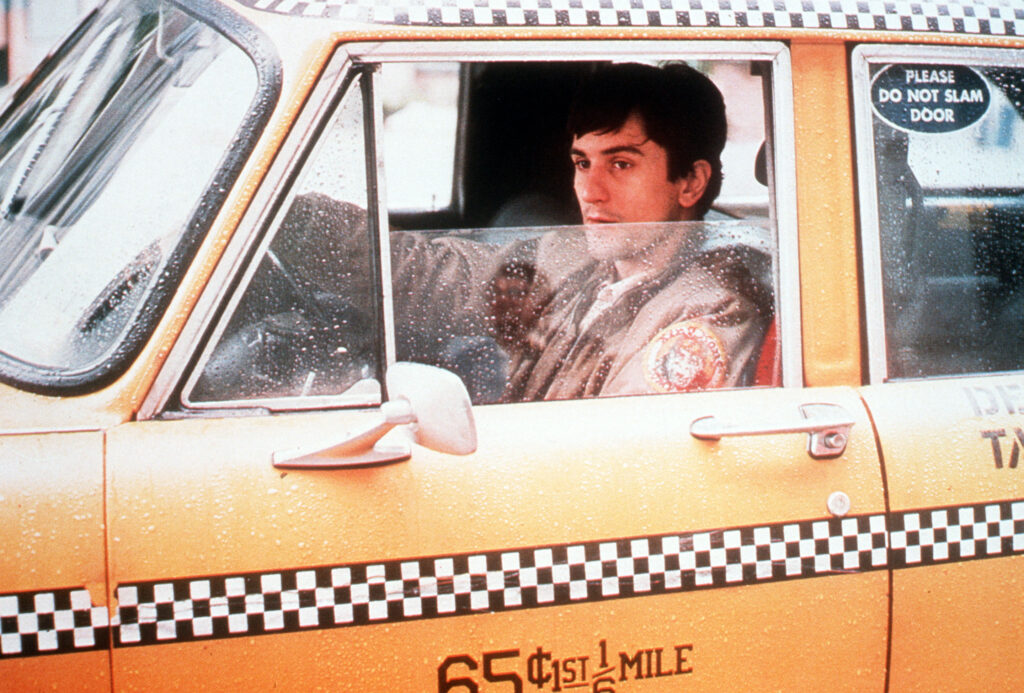
Cinematographers and production designers often use mirrors to frame emotion, multiply visual layers, and deepen narrative complexity.
Glass as a Visual Tool: Lighting, Focus, and Atmosphere
Glass is not just for reflection — it’s also a critical cinematographic material used to manipulate light and perspective. In Hollywood studios, directors of photography use glass panes, lenses, and filters to control how light interacts with subjects.
- Diffusion glass softens light, giving actors a dreamlike glow (common in classic Hollywood films featuring icons like Marilyn Monroe).
- Colored glass filters create mood — warm ambers for nostalgia, cool blues for melancholy.
- Glass partitions and props allow directors to shoot through surfaces, symbolizing emotional barriers or tension.
Think of the scene in “Blade Runner 2049” (2017) where reflections and glass architecture amplify the film’s futuristic, fragmented reality.
From the smoke-filled illusion stages of early Hollywood to the digitally mirrored worlds of modern cinema, glass and mirrors have remained integral to how we see and experience film. They bridge art and physics, illusion and truth — turning ordinary reflections into storytelling magic.
So next time you watch a movie, look closely. Behind every shimmer of light or glint of glass, there’s a century-old tradition of cinematic craftsmanship at play.
If you are keen to learn more about glass variations, feel free to get in touch with us.