Halloween-Inspired Sandblasted Glass Designs | Bear Glass Inc.
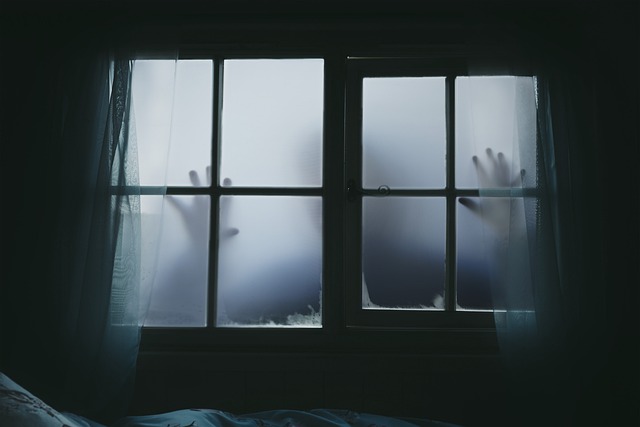
Halloween is a season of shadows, silhouettes, mysterious patterns, and dramatic lighting. From Gothic-inspired architecture to the unmistakable outlines of bare branches and ravens, its visual language offers a surprising source of inspiration for modern interior design.
But what if these seasonal ideas could become more than temporary decorations?
Imagine a glass partition featuring an intricate, frosted botanical pattern. Picture a decorative entrance panel with a Gothic-inspired design, or a mirror framed by elegant etched details that catch the light differently throughout the day. These are examples of how the visual character of Halloween can inspire sophisticated glasswork that remains relevant long after October ends.
Glass sandblasting makes this possible by combining decorative creativity with precision surface treatment. At Bear Glass Inc., custom sandblasted glass offers architects, interior designers, contractors, and property owners opportunities to explore distinctive patterns, create visual privacy, and introduce carefully crafted details into residential and commercial spaces.
The real appeal lies not in making glass look spooky, but in discovering how texture, transparency, and light can transform an otherwise ordinary surface.
1. Why Halloween Is an Unexpected Source of Architectural Inspiration
Halloween design is often associated with temporary decorations, artificial cobwebs, plastic ornaments, and removable window stickers. However, the visual principles behind the season have a much broader design application.
Consider the elements commonly associated with Halloween:
- Silhouettes: Ravens, tree branches, leaves, and abstract figures.
- Gothic geometry: Arches, ornamental borders, and symmetrical patterns.
- Light and shadow: Contrasts between illuminated and obscured areas.
- Texture: Layered patterns, distressed effects, and frosted surfaces.
- Atmosphere: Designs that create visual interest without overwhelming a space.
Each of these elements can be adapted into decorative glasswork.
For example, a bare-branch silhouette might become a subtle pattern across an office partition. A Gothic-inspired border could frame a glass entrance door. A moon-and-cloud motif could be incorporated into a decorative panel for a restaurant or boutique.
The result does not need to resemble Halloween décor directly. Instead, it can borrow the season’s visual character to create something sophisticated, distinctive, and suitable for year-round use.
For designers, this is an opportunity to move beyond conventional clear or uniformly frosted glass and explore more personalized architectural details.
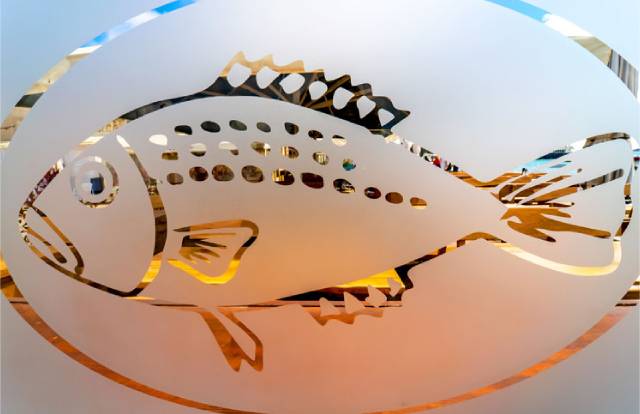
2. How Glass Sandblasting Brings These Designs to Life
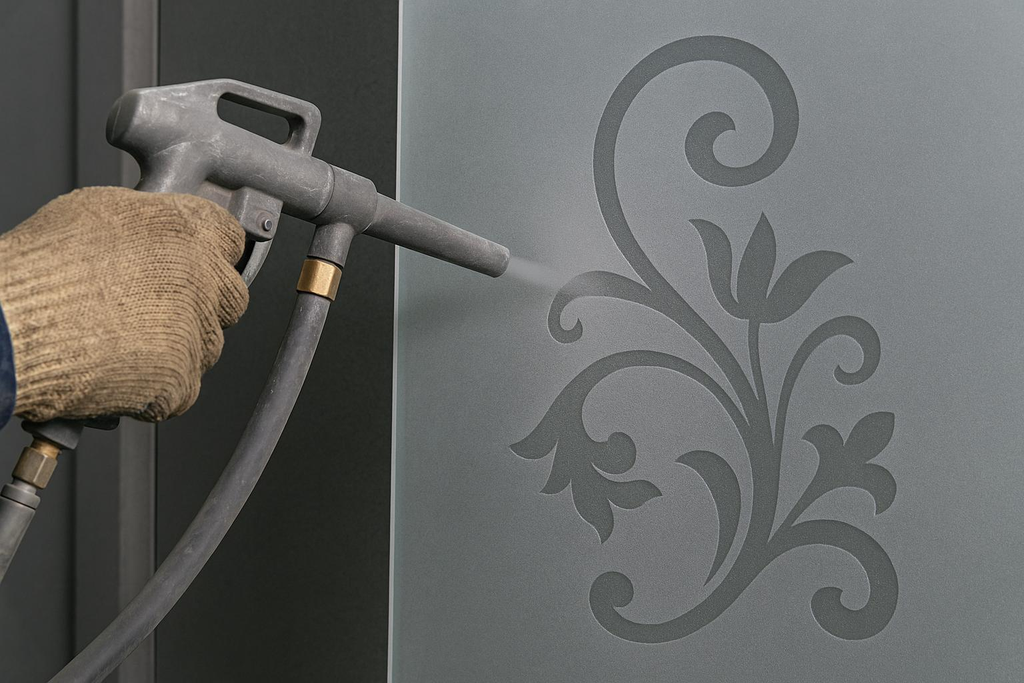
Glass sandblasting is a surface-treatment process in which abrasive material is propelled against a glass surface under controlled conditions. This action creates a frosted appearance by changing the texture of the treated areas.
Depending on the design and fabrication method, selected portions of the glass can be treated while other areas remain clear. This contrast allows fabricators to produce patterns, lettering, decorative borders, logos, and more intricate artwork.
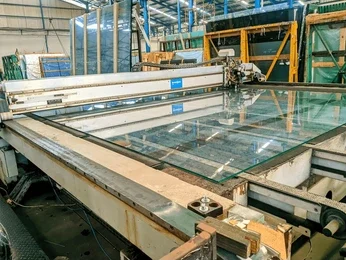
At Bear Glass Inc., the process involves selecting suitable glass, finalizing the design, performing precision sandblasting, inspecting the finished work, and completing the necessary cleaning and preparation.
The quality of the result depends on more than the artwork alone. Masking accuracy, abrasive selection, blasting control, glass specifications, and inspection all contribute to the final appearance.
For Halloween-inspired designs, these details are particularly important. A simple silhouette may depend on a clean outline, while an intricate Gothic pattern requires careful attention to spacing, symmetry, and consistency.
The objective is to create a design that looks intentional from both a decorative and a fabrication perspective.
Unlike a removable sticker or surface-applied graphic, sandblasting changes the glass surface itself. This makes it an attractive option for projects where a permanent decorative finish is desired. However, the glass must still be handled, cleaned, and specified appropriately for its intended application.
3. Five Halloween-Inspired Sandblasted Glass Ideas for Modern Interiors
Idea 1: Ghosted Silhouettes for Privacy Partitions
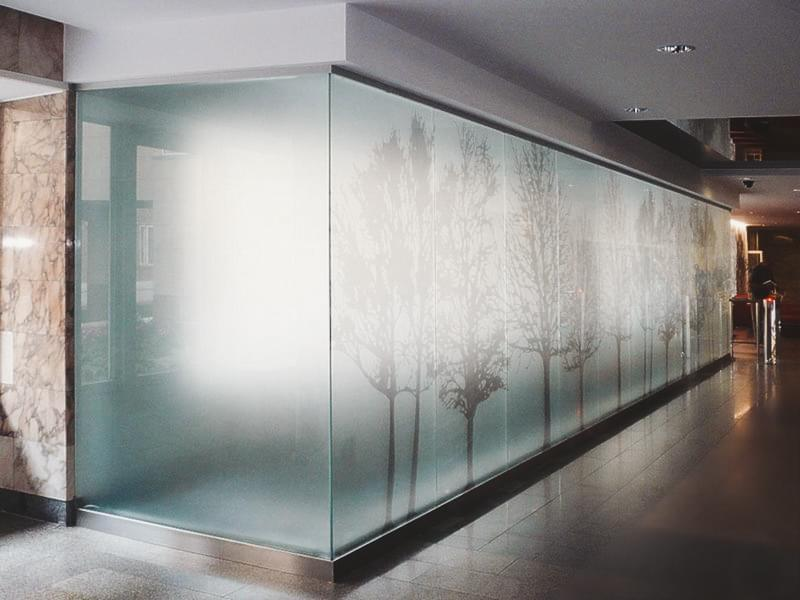
Frosted silhouettes are an excellent way to introduce Halloween-inspired design without making a space look seasonal.
Imagine a conference-room partition featuring delicate tree branches, abstract woodland shapes, or a pattern that gradually transitions from frosted to clear glass.
The design creates visual interest while preserving the sense of openness that makes glass partitions valuable in modern interiors.
Where it works:
- Corporate offices and conference rooms
- Reception areas
- Creative studios
- Hotel interiors
- Residential home offices
From a design perspective, the key is restraint. A carefully positioned motif can be more effective than covering the entire panel with an elaborate illustration.
For professional projects, the pattern should also be considered in relation to eye-level privacy, natural light, circulation, and the surrounding interior finishes.
Idea 2: Gothic-Inspired Glass Doors and Entrance Panels
Gothic architecture offers a rich vocabulary of pointed arches, ornamental borders, repeating geometry, and intricate linework.
These elements can inspire sandblasted glass for entrances that require a distinctive identity.
A boutique hotel, restaurant, private residence, or specialty retail store might use a custom frosted border around a clear central panel. Another design could incorporate a repeating arch pattern that complements the building’s architectural language.
The advantage of this approach is that the design can be dramatic without appearing theatrical.
Rather than depicting haunted houses or Halloween characters, the glass communicates a mood through geometry and contrast.
For fabricators and designers, this type of project requires careful attention to the dimensions of the door, hardware locations, edge clearances, pattern alignment, and the specified glass construction. Where safety glazing is required, the fabrication sequence and compatibility of the sandblasting process with the glass specification must be confirmed before production.
Idea 3: Raven, Branch, and Woodland Motifs
Nature-inspired designs are among the most versatile ways to translate Halloween aesthetics into lasting interior features.
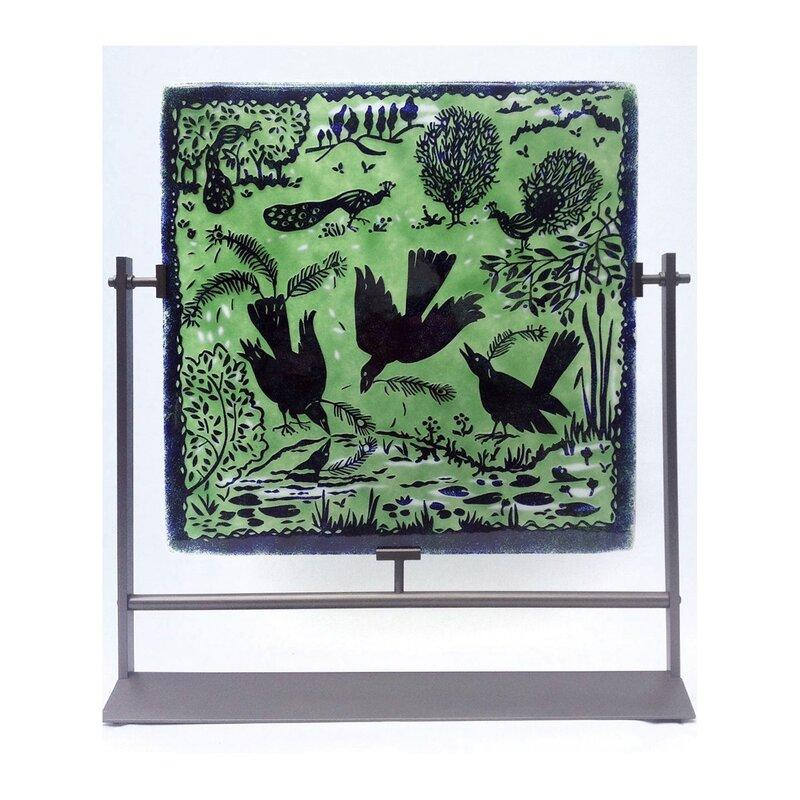
Ravens, bare branches, leaves, vines, and abstract forest patterns can create a distinctive visual identity without limiting the glass to a particular season.
Consider a restaurant partition with a subtle woodland motif, a decorative panel in a contemporary residence, or a glass door featuring a single bird silhouette against a frosted background.
These designs can be adapted to minimalist, traditional, industrial, and contemporary interiors.
From a fabrication perspective, the artwork should be developed with the final viewing distance and glass dimensions in mind. Fine details that appear clear in a digital design may require adjustment to remain visually legible when transferred to glass.
Designers should also consider the relationship between treated and untreated areas. The contrast between frosted and clear glass is often what gives the motif its definition.
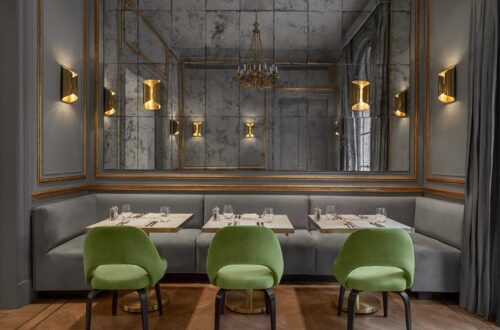
Idea 4: Decorative Sandblasted Mirrors with a Vintage Character
Mirrors offer another opportunity to use Halloween-inspired design in a more refined way.
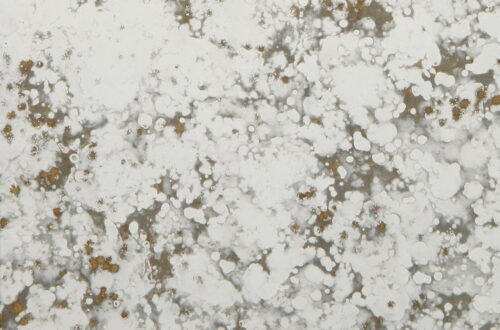
Instead of creating an overtly seasonal mirror, designers can borrow from vintage ornamentation, antique-looking borders, intricate corner patterns, and Gothic-inspired detailing.
A mirror with a custom decorative border could become a focal point in a hospitality interior, boutique, dressing area, or residential space.
The approach works particularly well when the design complements the furniture, lighting, and finishes surrounding the mirror.
Before production, the fabricator should confirm that the proposed treatment is suitable for the mirror construction and intended application. Decorative treatment, backing, edge conditions, and the desired appearance all need to be considered.
The result can be a mirror that feels distinctive without relying on temporary decorations or trend-driven graphics.
Idea 5: Backlit Sandblasted Glass for Dramatic Lighting Effects
Light is one of Halloween’s most recognizable visual elements, and it is also an important consideration in architectural glass design.
When light passes through or illuminates a frosted glass surface, the treated area can diffuse the light and produce a softer appearance than a clear surface.
This makes sandblasted glass an interesting option for selected backlit applications.
Imagine a decorative panel in a hotel lobby, an illuminated feature behind a reception desk, or a custom glass installation in a restaurant. A carefully designed pattern can become more noticeable when illuminated, adding depth to the overall interior.
However, the lighting arrangement must be designed around the glass rather than added as an afterthought. Light source placement, glare, viewing angles, heat considerations, electrical access, and maintenance requirements all affect the final result.
For designers, the goal is to create a balanced effect in which the glass pattern and illumination complement one another.
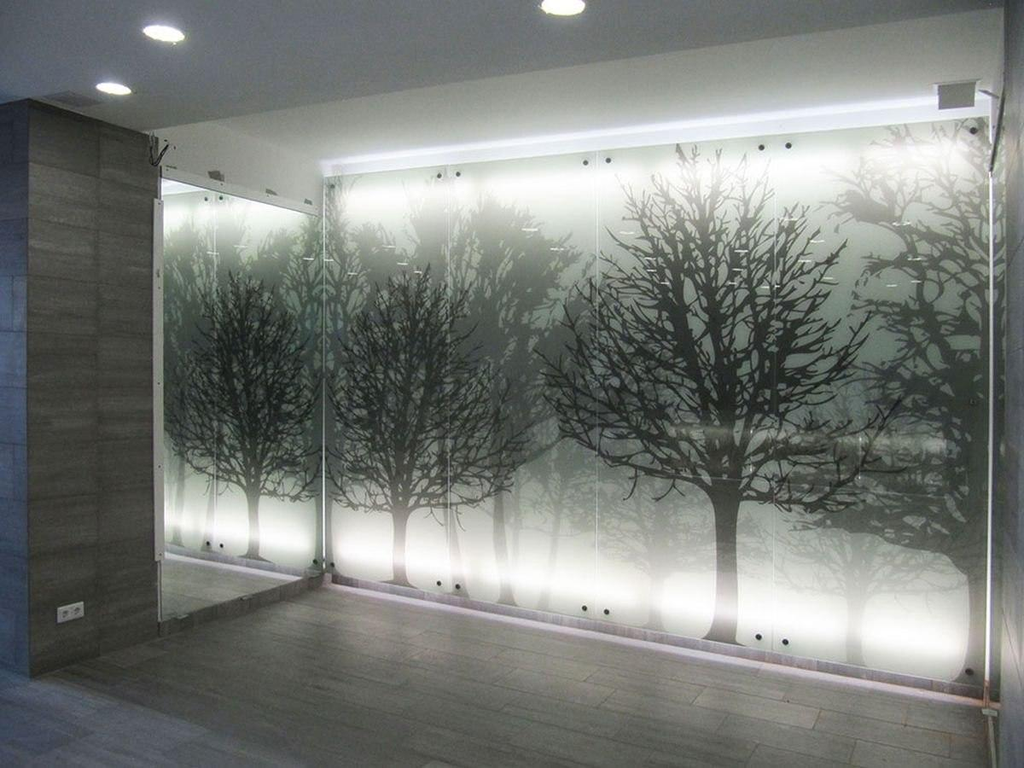
4. Decorative Appeal Meets Functional Performance
A successful architectural glass design should do more than look attractive. It should also respond to the practical requirements of the space.
Sandblasted glass can support several functional objectives, depending on the design and application.
Privacy without completely closing off a space
Frosted areas can obscure direct views while still allowing light to pass through. This can be useful for office partitions, internal doors, and selected residential applications. The level of privacy depends on the pattern, viewing angle, lighting conditions, and extent of the treated area.
Visual zoning in open-plan interiors
Decorative glass can help distinguish one area from another without introducing a solid wall. Patterned partitions can define meeting spaces, reception areas, or private sections of a commercial interior while maintaining a degree of visual continuity.
Branding and identification
Sandblasting can also be used to create logos, lettering, and custom designs on suitable glass surfaces. For a hospitality business or commercial office, the same technique used to produce a decorative motif can help integrate brand identity into the built environment.
Light diffusion and decorative texture
The frosted surface changes how light interacts with the glass, offering designers another way to manage the appearance of illuminated spaces.
These benefits make sandblasting relevant beyond Halloween. The season simply provides a creative starting point for exploring what customized glass surfaces can achieve.
5. Sandblasted Glass vs. Temporary Frosted Film: What Should Designers Consider?
Halloween decorations frequently rely on removable films, decals, and printed graphics. These products can be useful for short-term displays, but they serve a different purpose from permanently treated glass.
| Consideration | Sandblasted Glass | Temporary Frosted Film |
|---|---|---|
| Finish | Texture is created on the glass surface | Frosted appearance comes from an applied film |
| Design | Suitable for custom patterns and selected treated areas | Depends on the film and application method |
| Permanence | Intended as a lasting surface treatment | Can generally be removed or replaced |
| Maintenance | Requires care appropriate to the treated surface | Film edges and surface condition may require attention |
| Best suited to | Architectural details and long-term decorative applications | Temporary displays and changeable graphics |
**Neither option is automatically right for every project.
[Temporary film may be more practical for seasonal retail displays, short-term promotions, or frequently changing graphics. Sandblasting may be more suitable when the project calls for a permanent finish integrated into the glass.
The choice should be based on the expected service life, desired appearance, maintenance needs, budget, and glass specification.]
6. What Professionals Should Consider Before Specifying Sandblasted Glass
A visually compelling design must also be practical to manufacture, install, and maintain.
For architects, designers, glaziers, and contractors, several considerations deserve attention before a sandblasted glass order is finalized.
Design complexity and masking
The artwork should be reviewed for fine lines, small openings, tight corners, and intricate details. These features may need to be adjusted to suit the fabrication process and the scale of the finished panel.
Glass type and thickness
The selected glass must suit the intended application. Clear, low-iron, colored, and other suitable glass options can produce different visual effects. Thickness and construction should be determined by the project’s structural, safety, and design requirements.
Tempering and fabrication sequence
Sandblasting alters the glass surface, so the order of operations matters. For tempered glass, abrasive treatment can affect strength, particularly if it penetrates the surface compression layer. The glass fabricator should confirm an appropriate process sequence and any restrictions for the specified product before work begins.
Privacy requirements
A frosted pattern does not necessarily provide complete visual privacy. The proportion of clear glass, pattern placement, lighting conditions, and viewing angles should all be assessed against the intended use.
Cleaning and maintenance
Sandblasted surfaces can show fingerprints and may require more careful cleaning than smooth glass. Cleaning recommendations should be established for the specific finish, and harsh or abrasive cleaning materials should be avoided unless explicitly approved.
Installation and handling
Decorative glass must be protected during transport, storage, and installation. Dimensions, hardware, edge conditions, orientation, and installation tolerances should be coordinated before fabrication.
Addressing these points early helps prevent a gap between the designer’s concept and the installed result.
7. How Bear Glass Inc. Approaches Custom Sandblasted Glass
At Bear Glass Inc., sandblasting is part of a broader glass and mirror fabrication capability that supports decorative and architectural applications.
The company’s glass sandblasting service covers custom designs for panels, doors, partitions, mirrors, signage, and other suitable glass products. Its published process includes glass selection, design finalization, controlled abrasive treatment, quality inspection, and final cleaning and packaging.
For a custom project, the process begins with understanding what the finished glass needs to accomplish.
Is the priority visual privacy? A decorative feature? A distinctive entrance? A branded panel? Or a particular relationship between transparency and texture?
Those requirements help guide the artwork, the choice of glass, and the fabrication details.
For architects and interior designers, sharing drawings, dimensions, reference images, and the intended application can help establish the practical requirements before production. Contractors and glaziers can also coordinate installation conditions and relevant specifications at the planning stage.
The objective is to bring the visual concept and the fabrication requirements together so the finished product is both appropriate for the space and faithful to the approved design.
To explore the service, visit the Bear Glass Inc. Glass Sandblasting page.
8. From Halloween Inspiration to Year-Round Architectural Design
The most interesting part of Halloween-inspired glasswork is that it does not have to remain associated with Halloween.
A raven silhouette can become a distinctive decorative feature. A Gothic border can complement a heritage-inspired interior. A woodland pattern can introduce subtle visual interest to a contemporary office. A frosted geometric design can provide privacy while maintaining a bright, open atmosphere.
These concepts demonstrate a broader principle in interior design: the character of a material often comes from how it is treated, not simply from the material itself.
Glass can be transparent, translucent, reflective, patterned, or textured. Sandblasting adds another dimension by allowing selected areas of the surface to be transformed according to a custom design.
For professionals, that flexibility opens up possibilities for decorative expression without abandoning the functional qualities that make glass valuable in architecture.
Halloween offers a timely reminder of what texture, contrast, and light can accomplish. With thoughtful design and appropriate fabrication, those same principles can become part of a building’s permanent visual identity.
Conclusion: Give Your Glass a More Distinctive Character
Halloween may last only a few weeks, but the design ideas it inspires can extend much further.
From custom frosted partitions and decorative entrance panels to sandblasted mirrors and illuminated glass features, the possibilities go beyond seasonal decoration. They offer architects, interior designers, contractors, and property owners ways to introduce texture, visual privacy, and individual character into their projects.
The difference lies in execution. Design intent, masking precision, abrasive control, glass specification, and quality inspection all contribute to the finished result.
At Bear Glass Inc., custom glass sandblasting helps turn creative concepts into carefully fabricated glass features designed for real architectural spaces.
This Halloween, look beyond the temporary decorations. Think about the patterns, shadows, and textures that could become a permanent part of your next project.
Have a custom glass design in mind? Explore Bear Glass Inc.’s glass sandblasting services to discuss your project requirements and fabrication options.