Modern interior design is no longer just about choosing beautiful furniture, attractive colours, or expensive materials. Today, the real difference lies in the details. Textures, natural light, privacy, and the way different materials work together all play an important role in creating a well-designed space.
Patterned glass brings all these elements together.
From elegant residential interiors to contemporary offices, hotels, restaurants, and commercial spaces, patterned glass offers a compelling mix of decorative appeal and practical functionality. Its textured surfaces introduce character to ordinary glass panels while allowing designers to explore different levels of visibility, light transmission, and privacy.
1. What Is Patterned Glass? Understanding the Beauty of Textured Glass
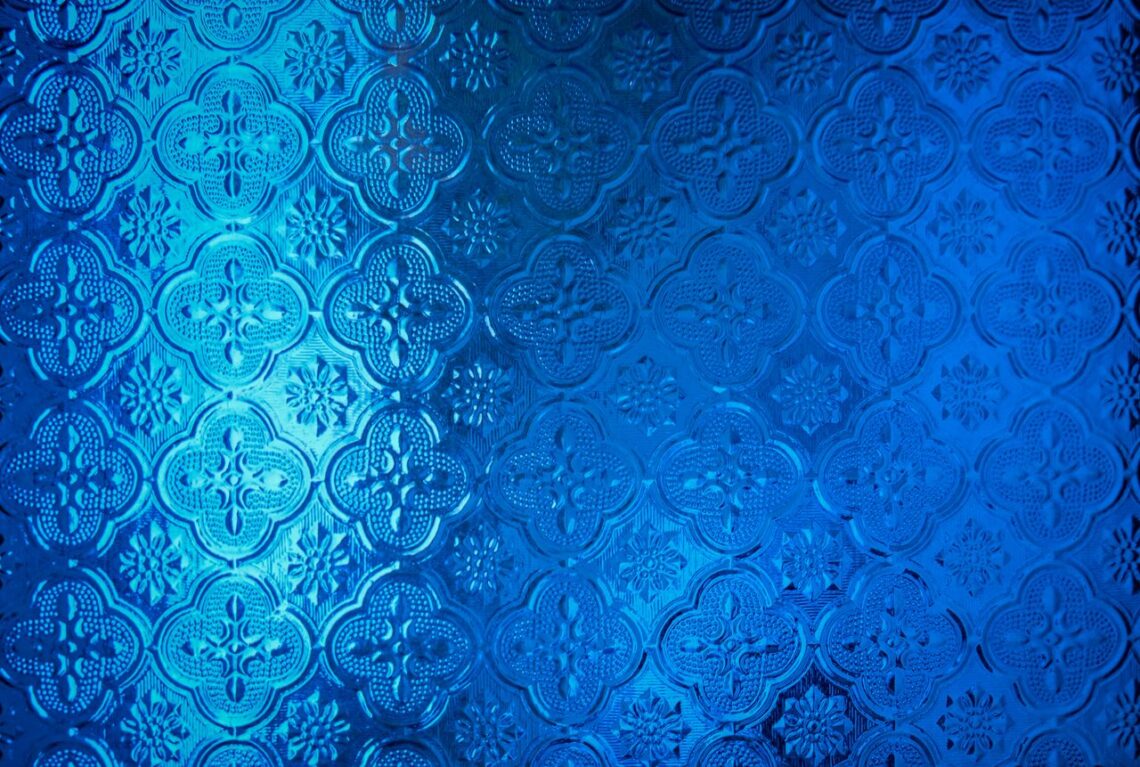
Patterned glass, also known as figured glass or rolled glass, is a decorative glass product featuring distinctive textures or designs on one or both surfaces. These patterns create visual interest while changing the way light passes through the glass.
Unlike ordinary clear glass, which provides an unobstructed view, patterned glass introduces varying degrees of visual distortion. Depending on the design, it can obscure direct views while still allowing natural light to enter a room.
The manufacturing process generally involves passing molten glass through specially designed rollers or using other forming techniques to create different surface patterns. The resulting textures can range from fine, subtle impressions to bold geometric designs and prominent linear ridges.
This makes patterned glass particularly useful for projects where designers want to balance openness, privacy, and decoration.
Another important characteristic is that patterned glass does not have to be limited to traditional interiors. It works equally well in contemporary, industrial, minimalist, classic, and luxury-inspired spaces.
2. Popular Types of Patterned Glass and Their Design Characteristics
One of the biggest advantages of patterned glass is the variety of designs available. Every pattern creates a different visual effect, making it possible to match the glass with the overall theme of an interior.
Here are some popular patterned glass options and how they can contribute to different design applications.
Reeded and Ribbed Glass
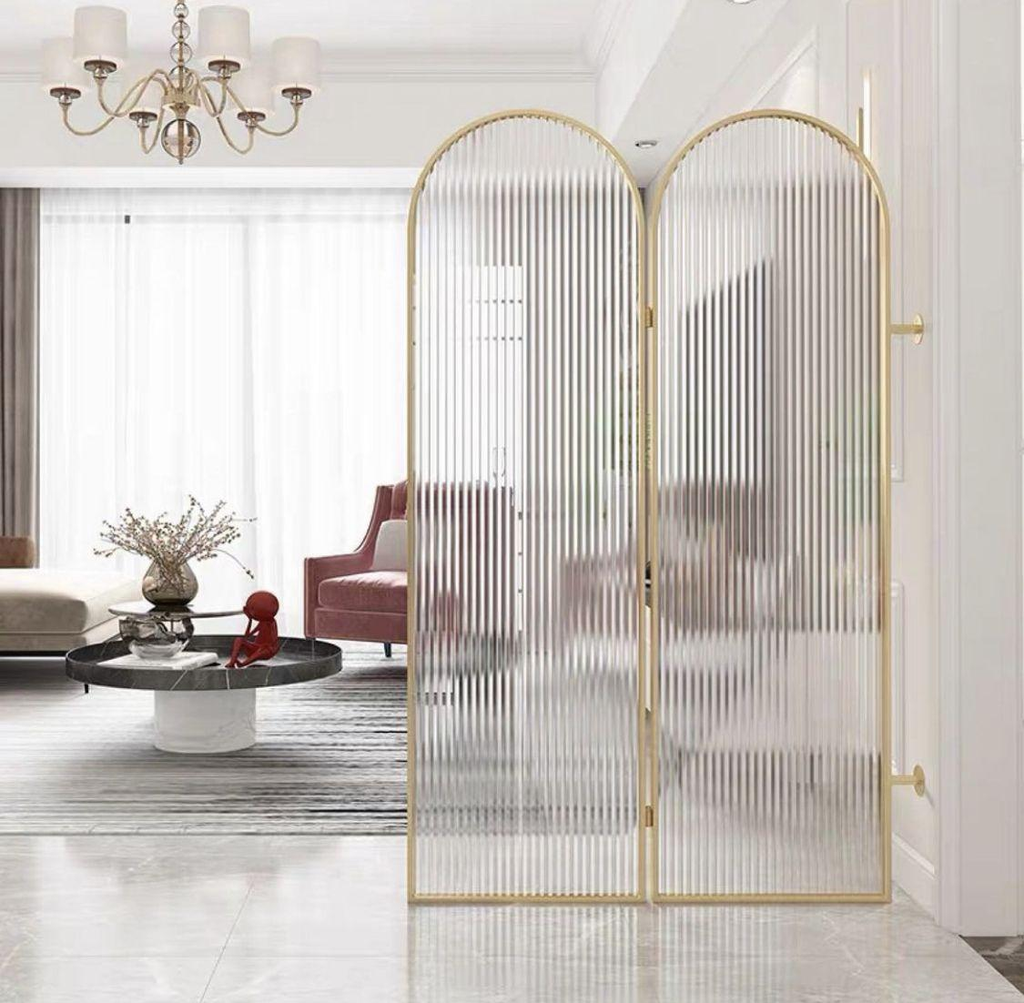
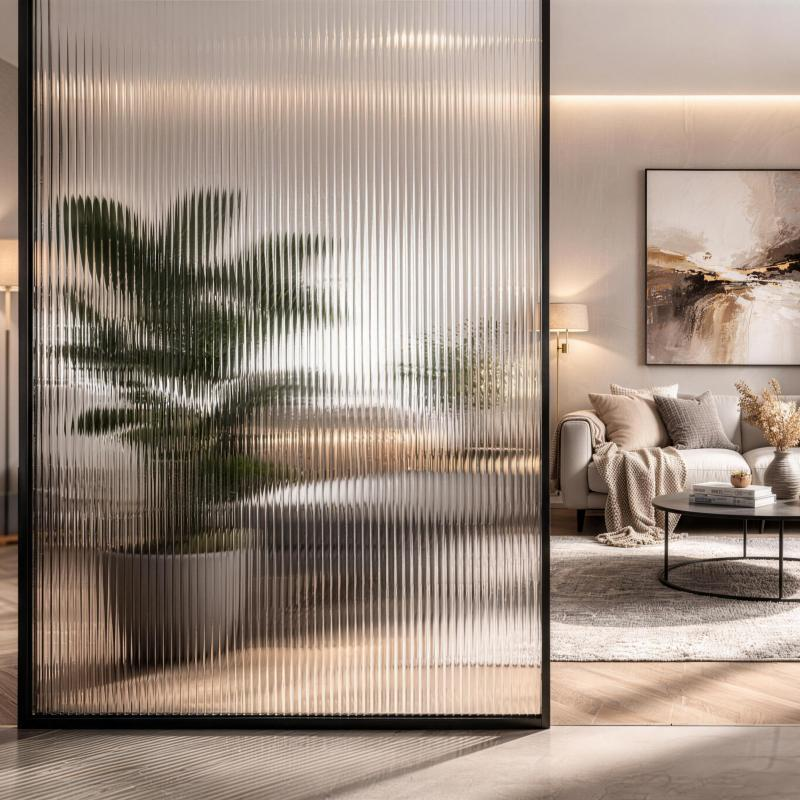
Reeded glass features parallel lines or ridges running across its surface. It is particularly popular in contemporary interiors because of its clean, structured appearance.
It can be used in kitchen cabinet doors, wardrobe panels, office partitions, and decorative room dividers.
The vertical lines can also create an interesting sense of height, especially when installed in full-length panels.
For designers looking to create a modern interior with a subtle degree of privacy, reeded glass is an attractive option.
Chinchilla Patterned Glass
Chinchilla glass features an irregular, textured appearance that creates a distinctive decorative effect.
Its surface helps obscure direct visibility, making it suitable for selected bathroom windows, interior doors, and privacy-oriented decorative panels.
It is particularly interesting in interiors where completely transparent glass may feel too exposed.
Flemish Patterned Glass
Flemish glass is known for its distinctive decorative texture, which works well with both traditional and contemporary design approaches.
It can be incorporated into cabinet doors, interior windows, decorative doors, and furniture applications.
Its textured appearance adds character to spaces where plain glass may look too simple.
Rain Patterned Glass
Rain glass features a texture that resembles falling water droplets or rain streaks.
This makes it an interesting choice for bathroom windows, partitions, cabinet inserts, and decorative panels.
Its visual effect introduces movement and texture without requiring additional decorative materials.
Master Ligne and Master Point
Geometric and linear patterns are useful when the objective is to create a more structured interior appearance.
Master Ligne and Master Point offer different decorative possibilities for interior partitions, cabinet doors, and architectural glass features.
They can complement modern furniture, metallic finishes, and clean architectural lines.
Master Carre and Other Decorative Patterns
For projects that require a more distinctive visual effect, geometric and decorative patterns can create attractive focal points.
Patterns such as Master Carre, Sahara, Taffeta, Aqualite, Goethe, and other available designs offer different ways to introduce texture into an interior.
The right selection depends on the desired appearance, privacy requirements, and the intended application.
3. How Patterned Glass Enhances Modern Interior Design
Patterned glass is not simply a decorative material. It can influence the way people experience and use an interior space.
Let’s look at some of its most useful applications.
Living Room Partitions
Open-plan living spaces are increasingly popular, but there are situations where homeowners still need some separation between different areas.
Patterned glass partitions offer an interesting solution.
For example, a reeded glass partition between a living room and dining area can establish a visual boundary without creating the enclosed feeling of a solid wall.
It also allows light to move between spaces while introducing a decorative architectural element.
Kitchen Cabinets and Storage
Kitchen cabinets are another excellent application for patterned glass.
Instead of using only solid cabinet doors, designers can incorporate textured glass panels to create a lighter and more decorative appearance.
Depending on the pattern and lighting, patterned glass can soften the visibility of stored items while maintaining an elegant cabinet design.
It can also complement wooden cabinetry, metallic handles, stone countertops, and modern kitchen finishes.
Bathroom Windows and Partitions
Privacy is an important consideration in bathroom design.
Patterned glass can provide visual obscurity while allowing daylight to enter. This makes it a useful option for bathroom windows and selected partition applications.
The actual privacy level depends on the pattern, lighting conditions, and viewing distance.
For shower enclosures, the glass must also meet the appropriate safety requirements. The specific patterned glass product should be confirmed as suitable for the intended safety-glazing application before fabrication.
Bedroom Wardrobes and Decorative Doors
Wardrobe doors are often overlooked when considering interior decoration.
Patterned glass can make them more visually interesting while offering an alternative to conventional solid or fully transparent panels.
A textured glass insert combined with a suitable frame can create a sophisticated appearance.
Office Partitions and Meeting Rooms
Modern offices increasingly use glass to create brighter and more open working environments.
However, completely transparent glass partitions may not always provide the desired level of visual privacy.
Patterned glass offers another design possibility. It can introduce texture and reduce direct visibility while maintaining a connection between different office areas.
It is particularly suitable for selected meeting rooms, reception areas, and private workspaces.
Hotels, Restaurants, and Commercial Interiors
Patterned glass can also become an important part of commercial interior design.
Hotels can incorporate textured glass into room dividers, decorative doors, and selected bathroom applications.
Restaurants can use it in partitions, display areas, and decorative installations.
Retail stores can introduce patterned glass into cabinets, display units, and interior feature panels.
The result is a material that contributes to both the visual identity and functionality of a commercial space.
4. Patterned Glass vs. Frosted Glass vs. Clear Glass
Although all three materials have their own advantages, they serve different design purposes.
Understanding these differences can help architects, contractors, and homeowners make better decisions.
Clear Glass
Clear glass provides maximum visual transparency. It is suitable for applications where visibility, openness, and unobstructed views are important.
Frosted Glass
Frosted glass has a translucent appearance that reduces direct visibility. It is commonly selected for bathroom windows, office partitions, doors, and privacy panels.
Patterned Glass
Patterned glass introduces a decorative texture to the surface. Depending on the pattern, it can diffuse light, distort direct views, and provide different levels of privacy.
The main difference is that patterned glass combines decorative surface treatment with functional visual effects.
There is no universal winner between these options. The right material depends on the project’s design requirements, privacy expectations, and technical specifications.
5. Why Architects and Interior Designers Choose Patterned Glass
The popularity of patterned glass comes from its ability to serve both decorative and practical purposes.
Here are some reasons why it continues to attract attention in architectural and interior design projects.
1. Adds Texture Without Overcomplicating the Design
Plain glass can sometimes appear too simple for decorative applications. Patterned surfaces introduce texture and visual depth without requiring elaborate additional materials.
2. Balances Privacy and Natural Light
Certain patterned designs allow natural light to pass through while obscuring direct visibility. This is particularly useful in areas where complete transparency is not desirable.
3. Creates Distinctive Interior Features
A patterned glass partition or cabinet panel can become a focal point in an otherwise simple interior.
4. Complements Different Materials
Patterned glass can work alongside wood, stainless steel, aluminium, stone, marble, and other common interior materials.
5. Offers Design Flexibility
With different textures, patterns, and glass specifications available, designers can explore numerous combinations for residential and commercial projects.
6. Fabrication, Thickness, and Customization: What Glass Professionals Should Know
While patterned glass offers significant design flexibility, successful installation depends on more than selecting an attractive pattern.
Glass fabricators, glaziers, architects, and contractors must consider the technical requirements of the project before fabrication begins.
Glass Thickness
Glass thickness should be selected according to the intended application, panel dimensions, support conditions, and applicable safety requirements.
A decorative cabinet insert may have different requirements from a large partition or door panel.
Bear Glass lists multiple patterned glass thickness options, including 1/8″, 5/32″, 3/16″, 1/4″, and 1/2″. Actual availability should be confirmed for the selected pattern.
Cutting and Edge Finishing
Accurate cutting is essential when working with patterned glass, particularly for installations involving custom dimensions and framing systems.
Edge finishing is another important consideration. Depending on the application, edges may require polishing, grinding, or other appropriate finishing methods.
Hole Drilling and Hardware Positioning
Some patterned glass installations require holes for handles, hinges, connectors, and other hardware.
These positions should be planned before fabrication. Glass intended for tempering generally needs to be cut, drilled, and edge-finished before the tempering process.
Tempering and Safety Considerations
Not every decorative glass product can automatically be tempered.
The compatibility of the selected pattern with the required heat-treatment process must be confirmed with the glass supplier or fabricator.
For doors, partitions, shower enclosures, and other safety-critical installations, the glass must meet the applicable building codes and safety-glazing requirements.
Lamination and Customization
Laminated glass can provide additional safety and performance characteristics through an interlayer between glass sheets.
However, the compatibility of the selected patterned glass with the proposed lamination process must be verified.
The final specification should consider the intended use, required performance, and available fabrication capabilities.
7. How to Choose the Right Patterned Glass for Your Project
With so many designs available, choosing patterned glass can sometimes be challenging.
The best approach is to begin with the purpose of the installation rather than selecting a pattern based only on appearance.
Consider the Privacy Requirement
Determine how much visibility needs to be restricted. A bathroom window may require a different pattern from a decorative kitchen cabinet.
Evaluate Natural Light
Consider how much daylight the space receives and how the selected pattern may affect light transmission and visual clarity.
Match the Interior Theme
For minimalist interiors, subtle linear patterns may work particularly well. More distinctive textures can complement traditional, decorative, or statement-driven interiors.
Think About Maintenance
Textured surfaces may collect dust, moisture, and residue in their grooves. Consider the cleaning requirements, particularly in kitchens and bathrooms.
Check Fabrication Compatibility
Before finalizing a pattern, confirm its suitability for the required cutting, drilling, edge finishing, tempering, or lamination.
Review Actual Glass Samples
Photographs do not always represent the true appearance of a glass texture. Viewing physical samples under different lighting conditions can help designers and customers make a more informed decision.
8. Frequently Asked Questions About Patterned Glass
1. What is the difference between patterned glass and textured glass?
The terms are often used interchangeably. Both generally refer to glass with a decorative surface design that changes its appearance and visual transparency.
2. Does patterned glass provide complete privacy?
Not necessarily. Privacy depends on the specific pattern, lighting conditions, distance, and viewing angle. Some patterns provide greater visual obscurity than others.
3. Can patterned glass be tempered?
Some patterned glass products are compatible with tempering, while others may not be. Compatibility must be confirmed for the particular glass type before fabrication.
4. Is patterned glass suitable for shower enclosures?
Certain patterned glass products can be suitable for shower applications when they meet the necessary safety-glazing requirements. The product specification and installation system must be verified.
5. Can patterned glass be cut and drilled?
Yes, suitable patterned glass can be cut and drilled using appropriate fabrication methods. These operations generally need to be completed before tempering.
6. Which patterned glass is suitable for kitchen cabinets?
Reeded, Chinchilla, Flemish, and other decorative patterns can be considered depending on the cabinet design, desired visibility, and overall interior theme.
7. Does patterned glass reduce natural light?
Patterned glass can diffuse or alter the passage of light. The amount transmitted depends on the glass composition, thickness, texture, and specific product.
8. Is patterned glass suitable for office partitions?
Yes. It can be used in selected office partitions to introduce texture and reduce direct visibility while maintaining a bright, open environment.
9. How do you clean patterned glass?
Use a soft cloth, a suitable mild glass cleaner, and a soft-bristle brush where necessary. Avoid abrasive materials that could damage the surface.
10. Can patterned glass be customized?
Depending on the selected product, customization may include cutting, edge finishing, hole drilling, and other fabrication options. Tempering and lamination compatibility should be confirmed separately.
Give Your Interiors a Distinctive Look with Patterned Glass
Good interior design is about finding the right balance between appearance and functionality. Every material contributes something different, and patterned glass offers an opportunity to introduce texture, privacy, and decorative character without sacrificing the beauty of natural light.
Whether you are designing a modern home, upgrading an office, planning a commercial interior, or working on a custom architectural project, the right glass pattern can make a meaningful difference.
At Bear Glass Inc., we offer a wide selection of patterned glass options for residential, commercial, and architectural applications. From distinctive linear textures to decorative and traditional patterns, our collection provides design possibilities for a variety of projects.
We also offer fabrication options such as glass cutting, hole drilling, edge finishing, and custom shapes, subject to product compatibility and project requirements.
Looking for the right patterned glass for your next project?
Explore our Patterned Glass Collection or contact our team to discuss your requirements.
Bear Glass Inc.
217-44 98th Avenue, Queens Village, NY 11429
Phone: +1 (718) 832-3604
Email: sales@bearglass.com
Website: https://www.bearglass.com/
Bring texture, light, and character into your next interior project with Bear Glass.