How textured glass transforms architectural spaces through light, privacy, craftsmanship and precision glass processing.
Glass is no longer simply a transparent material used to fill windows and doors. In contemporary architecture, it has become an important design element capable of transforming the character of an entire space.
From elegant bathroom partitions and decorative entrance doors to sophisticated office dividers and illuminated interior features, glass offers architects and interior designers countless possibilities.
Among the wide varieties available, patterned glass, also known as rolled glass, figured glass or textured glass, has a particularly interesting role.
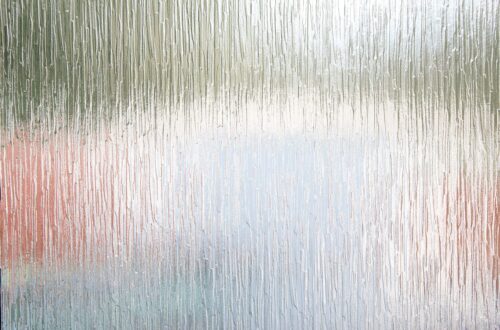
Unlike conventional clear glass, patterned glass introduces texture to the surface, creating distinctive visual effects while allowing varying degrees of light transmission and privacy. Depending on its design, it can soften visibility, diffuse daylight and introduce decorative character without completely separating one space from another.
However, what most people see in a finished installation is only the final outcome of a much larger process.
Behind every accurately fabricated patterned glass panel are product selection, measurements, cutting, edge processing, possible tempering or lamination, quality inspection, transportation and the skilled work of glass professionals.
At Bear Glass Inc., the patterned glass collection offers architects, designers, contractors and homeowners a broad range of decorative possibilities.
This guide explores the different varieties available, how patterned glass is produced, how glaziers and fabricators contribute to the finished product, and how the right glass can transform architectural projects.
1. What Is Patterned Glass or Rolled Glass?
Patterned glass is a type of decorative flat glass featuring a textured or embossed surface. It is commonly manufactured by passing molten glass through specially designed rollers that imprint a particular pattern onto the material.
Depending on the manufacturing technique, the pattern may appear on one or both surfaces.
Unlike ordinary clear float glass, patterned glass modifies the way light travels through the material. It can create diffused visibility, decorative shadows and different levels of visual obscuration.
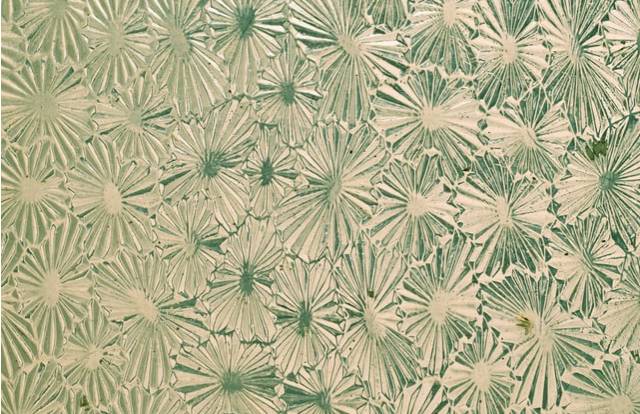
For example, a vertically reeded pattern produces a distinctive linear appearance, while rain-patterned glass creates an irregular texture resembling water droplets or flowing water.
These characteristics make patterned glass useful for applications where complete transparency is not necessary or desirable.
Why Is It Also Called Rolled Glass?
The term rolled glass comes from the traditional manufacturing process.
Molten glass is passed between rollers, one of which may contain an engraved design. As the glass moves through the rolling system, the engraved surface transfers its pattern onto the softened glass.
After forming, the material passes through a controlled cooling process known as annealing.
This helps reduce internal stresses before the glass is cut and prepared for further processing.
It is important to understand that not every decorative glass product is manufactured through rolling. Acid-etched glass, decorative mirrors and other specialty products use different production methods.
2. How Is Patterned Glass Manufactured? Understanding the Process Behind the Texture
The appearance of patterned glass may seem simple, but its manufacturing involves carefully controlled processes.
Understanding how the glass is produced helps architects and designers appreciate why different patterns have different visual characteristics, surface qualities and fabrication requirements.
Step 1: Raw Material Preparation
Glass production begins with carefully selected raw materials, typically including silica sand, soda ash and limestone, together with other ingredients depending on the glass composition.
These materials are mixed in controlled proportions to prepare the glass batch.
The quality and consistency of the raw materials are important because they influence the properties of the finished glass.
Step 2: Melting the Glass
The prepared batch is transferred into an industrial furnace, where it is heated until it becomes molten glass.
Temperature control and proper melting are essential to obtaining a consistent glass composition.
Step 3: Creating the Pattern Through Rolling
This is the stage that gives rolled glass its distinctive identity.
The molten glass passes through a rolling system containing specially designed rollers. An engraved roller transfers the desired texture onto the softened glass surface.
Different roller designs produce different patterns, from linear grooves and geometric impressions to irregular decorative textures.
The depth, shape and arrangement of the engraved pattern influence the final appearance of the glass.
Step 4: Annealing and Controlled Cooling
After rolling, the glass passes through an annealing process.
The temperature is gradually controlled to reduce internal stresses that develop during manufacturing.
Proper annealing is essential because uncontrolled cooling can leave residual stresses that may affect subsequent cutting and processing.
Step 5: Inspection and Sheet Preparation
Once cooled, the glass is inspected and prepared for further processing.
Manufacturers and processors evaluate relevant characteristics such as dimensions, thickness, surface appearance and visible defects.
The glass is then supplied in sheets for fabrication and architectural applications.
An important distinction: Bear Glass is a glass supplier and fabricator. The rolling process described above explains how patterned glass is generally manufactured; it should not be confused with the subsequent cutting, fabrication and finishing operations carried out by a glass processor.
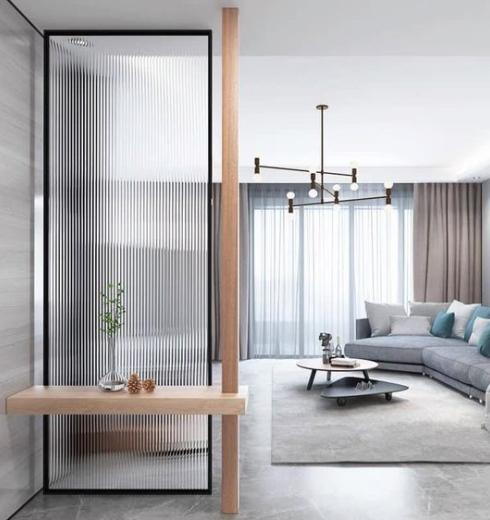
3. Explore the Pattern Glass Collection at Bear Glass: 43 Listed Options
One of the most interesting aspects of Bear Glass’s patterned glass collection is its variety.
The collection listed on the company’s product page includes 43 named options, extending beyond conventional rolled textures into wire glass, acid-etched finishes, decorative mirrors and specialty glass products.
This variety allows designers to explore different combinations of texture, visibility, colour and decorative appearance.
A. Textured, Rolled and Decorative Pattern Glass
These products offer different surface appearances and can be considered for architectural and decorative applications depending on their specifications.
- Skytex
- 1/2 Inch Reeded
- Ribtex
- Master Ligne
- Solite
- Master Point
- Master Carre
- CR-58 (replaces TC 2)
- Master Ray
- Pattern 62
- Chinchilla
- Flemish
- Aqualite
- Impresso
- Sahara
- Taffeta
- Rain
- Goethe
- Antique
- Reamy Sahara
- S/L Seedy
- Clear Seedy
- Everglade
- Morisco
- Glue Chip
Each pattern introduces a different visual experience. Some offer linear or geometric characteristics, while others create more irregular, organic or softly obscured appearances.
B. Wire-Embedded Glass Options
Bear Glass also lists three wire glass options:
- Georgian Wire Glass
- Misco Wire Glass
- Obscure Wire Glass
Wire glass contains a wire mesh embedded within the glass during manufacturing.
It has historically been used in certain building applications where its distinctive appearance and construction are desired.
However, ordinary wired glass should not automatically be considered modern safety glazing. Its suitability depends on the specific product, applicable building codes and intended application.
C. Acid-Etched and Specialty Decorative Glass
The collection also includes several acid-etched options.
- Soda Lime Acid Etched
- Low Iron Acid Etched
- Soda Lime Acid Etched Mirror (Satin)
- Myst Smooth Etched Mirror
- Low Iron Acid Etched Mirror (Satin)
- Bronze Acid Etched Mirror
- Green Acid Etched
- Green Acid Etched Mirror
- Blue Acid Etched
- Blue Acid Etched Mirror
Acid-etched glass features a treated surface that creates a translucent or satin-like appearance.
Unlike rolled glass, its decorative finish is created through a surface-treatment process rather than an engraved rolling operation.
These options are particularly interesting for contemporary interiors, where designers want controlled visibility and a refined decorative appearance.
D. Laminated Decorative Mirror and Specialty Options
The collection also includes:
- Master Point Lami To Mirror
- Master Ray Lami To Mirror
- Two Way Mirror
- Blizzard White
- Black Onyx
These products broaden the collection beyond conventional textured glazing.
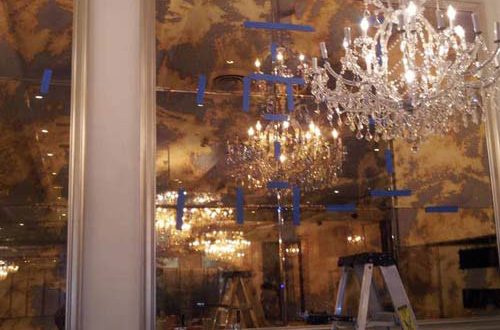
Laminated-to-mirror products, specialty mirrors and distinctive decorative finishes can offer additional possibilities for feature walls, furniture, interior decoration and custom architectural elements.
Why does this variety matter?
Because architectural projects rarely require just one type of glass.
A single building may use clear glass for visibility, textured glass for privacy, acid-etched glass for decorative partitions and specialty mirrors for interior features.
Having access to a diverse collection allows designers and fabricators to consider different glass solutions within the same project.
Note: The 43 names above reflect the options listed on Bear Glass’s online patterned-glass collection page. They should not be interpreted as a guarantee that every item is immediately available in every thickness, size or processing configuration. Confirm current inventory and specifications before ordering.
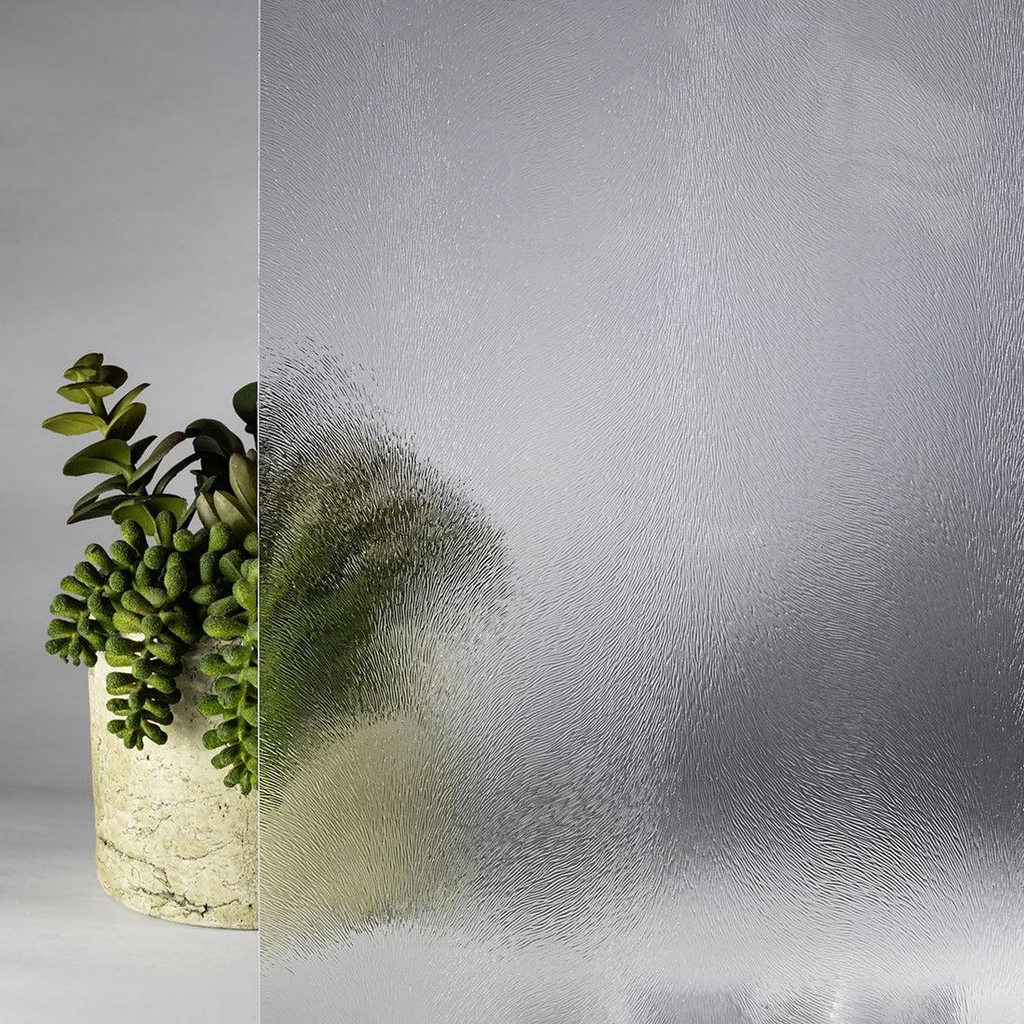
4. Patterned Glass vs. Clear Glass vs. Frosted Glass: What Should You Choose?
Before selecting a glass product, it is important to understand how different types of glass behave visually.
Clear Glass
Clear glass offers transparency and relatively undistorted visibility.
It is generally selected when the objective is to maximize visibility, maintain an open appearance or connect indoor and outdoor spaces.
Typical applications include windows, display cases, partitions and facades.
Patterned Glass
Patterned glass introduces a physical texture to the surface.
Depending on the pattern, it can partially obscure visibility while allowing light to pass through.
It is useful for bathroom windows, decorative doors, partitions and interior screens.
Frosted or Acid-Etched Glass
Frosted glass creates a translucent appearance through surface treatment.
It provides a more uniform or controlled obscuration than many patterned products.
It is commonly used in offices, bathroom partitions and decorative interior applications.
Which One Is Better?
There is no universally better option.
The choice depends on the intended privacy level, lighting conditions, decorative requirements, maintenance expectations and technical specifications of the project.
For example, a designer may choose clear glass for a living room window, reeded glass for a bedroom partition and acid-etched glass for an office meeting room.
The most effective glass specification is the one that responds to the actual purpose of the space.
5. Ten Architectural Applications of Patterned Glass
Patterned glass offers considerably more design flexibility than many people realize.
It can become a functional architectural element, a decorative feature or a combination of both.
Here are ten interesting ways architects and interior designers can incorporate it into projects.
1. Bathroom Windows and Privacy Glazing
Bathrooms require privacy, but completely blocking natural daylight is rarely desirable.
Patterned glass provides a practical solution by reducing direct visibility while allowing daylight to enter.
Rain, Chinchilla and other suitably obscuring patterns can be considered for bathroom windows.
Designers should evaluate the actual privacy characteristics of the selected pattern under both daytime and nighttime lighting.
2. Shower Enclosures and Bathroom Partitions
Textured glass can introduce a sophisticated decorative element into shower spaces.
It can be considered for suitable shower doors and partitions, subject to safety-glazing requirements, enclosure compatibility and appropriate fabrication.
For shower applications, designers should also consider cleaning access, water deposits, hardware placement and the orientation of the textured surface.
3. Office Partitions and Conference Rooms
Modern workplaces often require privacy without completely sacrificing openness.
Patterned glass can help separate meeting rooms, executive offices and collaborative areas while allowing daylight to travel through the workspace.
A vertically textured pattern combined with slim aluminum or dark metal framing can create an elegant contemporary appearance.
4. Kitchen Cabinet Doors
Patterned glass can be used as an alternative to ordinary transparent cabinet inserts.
It can partially obscure the contents of cabinets while creating a decorative appearance.
A particularly interesting design combination is reeded glass with bronze or black framing and warm internal cabinet lighting.
5. Entrance Doors and Decorative Side Panels
Entrance doors are among the most visually important elements of residential architecture.
Patterned glass can introduce daylight while reducing direct visibility into the property.
Combining textured glass with timber, aluminum or metal framing can create a distinctive entrance design.
The selected glazing must be suitable for the door’s safety, security and environmental requirements.
6. Staircase Screens and Architectural Features
Staircase areas often provide opportunities for decorative glass applications.
Patterned glass can be incorporated into suitable screens or specially engineered glazing assemblies.
However, glass used in balustrades or protective barriers must be specified as a compliant safety-glazing system.
Ordinary decorative patterned glass should never be assumed suitable for structural railing applications without proper verification.
7. Hotel Interiors and Hospitality Design
Hotels frequently use decorative glazing to create a more distinctive guest experience.
Patterned glass can be considered for bathroom screens, wardrobe doors, interior dividers and decorative wall panels.
Using a coordinated glass texture across different areas can help establish a consistent design identity.
8. Retail Storefronts and Display Areas
Retail spaces depend on visual presentation.
Patterned glass can be incorporated into display partitions, decorative storefront sections and selected interior screens.
It allows designers to introduce partial visibility rather than exposing the entire interior.
Combining textured glass with carefully positioned lighting can create an attractive display environment.
9. Decorative Wall Panels and Feature Walls
Glass does not always have to be installed as a window or partition.
Patterned glass can become a feature-wall material in residential interiors, corporate environments, hotels and hospitality spaces.
It can be combined with timber, stone, metal and indirect lighting to create visual depth.
10. Architectural Facades and Exterior Screens
Certain patterned glass products can be incorporated into suitable exterior glazing systems.
They can introduce texture and visual variation to a building facade.
However, exterior use requires careful evaluation of wind loads, safety glazing, thermal performance, weather exposure, framing and water management.
The selected glass must be suitable for the complete facade system, not simply attractive in appearance.
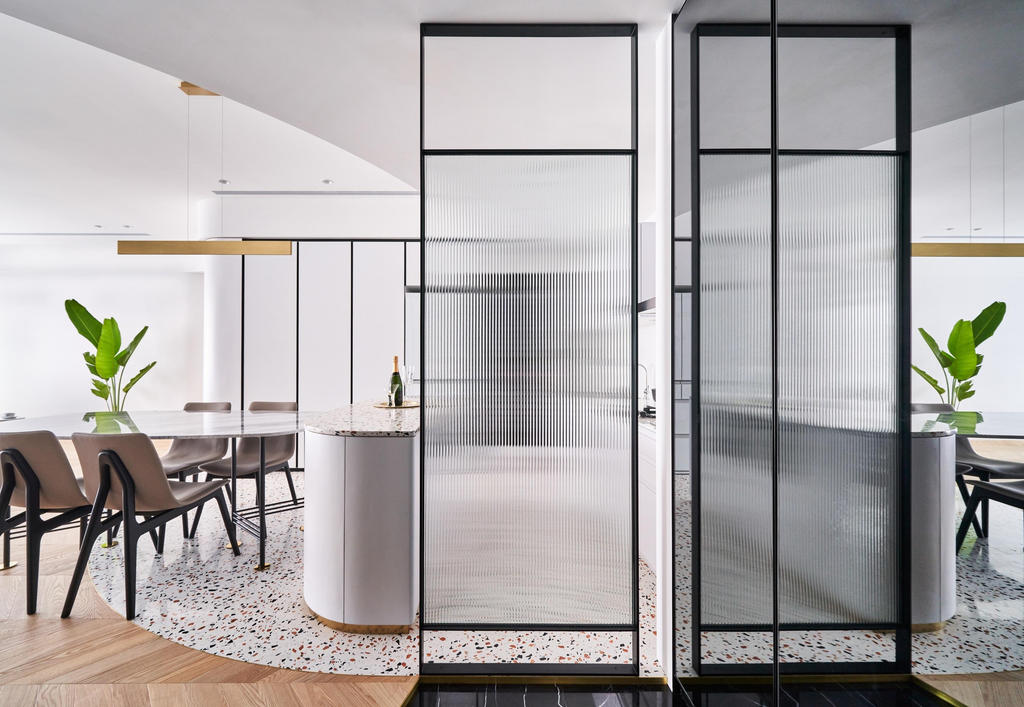
6. Behind the Scenes: What Happens Before Patterned Glass Reaches an Architectural Project?
This is where the work of glass fabricators and glaziers deserves particular attention.
A finished patterned glass installation may look effortless, but achieving that appearance requires planning, technical knowledge, precise measurements and careful handling.
The responsibilities extend well beyond cutting a sheet of glass.
Let’s look at the typical workflow.
Stage 1: Understanding the Architectural Requirement
The process begins with understanding what the client, architect or contractor wants to achieve.
Is the glass required for privacy? Is it intended to be decorative? Will it be installed in a bathroom, office partition, entrance door or exterior opening?
The application determines many of the technical decisions that follow.
A glazier or glass professional must understand:
- The intended installation location.
- Required glass dimensions.
- Desired pattern and visual appearance.
- Required privacy level.
- Glass thickness and safety requirements.
- Hardware, framing and installation details.
- Any additional processing requirements.
This initial assessment is important because a beautiful glass pattern is not enough if the selected product cannot satisfy the project’s functional requirements.
Stage 2: Selecting the Appropriate Pattern and Glass
Once the application is understood, the next step is selecting the right product.
This is where the variety of Bear Glass’s collection becomes useful.
For example:
- A reeded pattern may be selected for an elegant room divider.
- Rain-patterned glass may be considered for a privacy window.
- Acid-etched glass may be suitable for an office partition.
- Decorative mirror products may be considered for interior feature walls.
Professionals should review physical samples whenever possible.
A pattern viewed on a computer screen may look different when installed in a full-size panel.
The direction of the texture, lighting conditions, viewing distance and surrounding finishes can all influence the final appearance.
Stage 3: Accurate Measurement and Technical Planning
Accurate measurement is one of the most important parts of glass fabrication.
A small dimensional error can create installation difficulties, particularly when the glass must fit into a pre-existing frame or a custom hardware system.
Glass professionals must account for:
- Width and height.
- Required glass thickness.
- Edge clearances.
- Frame and channel dimensions.
- Hardware positions.
- Cut-outs and drilled holes.
- Installation tolerances.
- Pattern orientation.
For example, a patterned glass panel with vertical grooves must be oriented correctly if the designer wants to maintain a consistent appearance across multiple adjoining panels.
Measurements should be verified against approved drawings and actual site conditions.
Stage 4: Glass Cutting and CNC Processing
Once the dimensions and specifications are confirmed, the glass can move into fabrication.
Depending on the selected product and machine capabilities, cutting may be performed using manual or automated equipment, including CNC glass cutting systems.
CNC technology allows operators to follow programmed cutting paths and dimensions.
The process may involve:
- Loading and positioning the glass safely.
- Verifying the cutting program and sheet orientation.
- Setting appropriate machine parameters.
- Executing the cutting operation.
- Separating the required glass pieces.
- Inspecting the resulting dimensions and edges.
Patterned glass requires particular attention during handling and support because the textured surface can influence how the sheet is positioned and processed.
Not every CNC machine is suitable for every decorative glass product. Machine compatibility and the manufacturer’s processing guidance must be checked before production.
Stage 5: Edgework and Surface Finishing
Cutting is only one part of the fabrication process.
Depending on the application, the glass may require additional edge finishing.
Common edgework options include:
- Seamed edges.
- Flat polished edges.
- Bevelled edges.
- Arrissed edges.
- Other specified decorative or functional edge finishes.
The appropriate finish depends on the design, installation system and intended use.
For example, a glass panel installed in an exposed decorative partition may require a polished edge for a clean appearance.
A panel intended for a particular framed installation may have different edge-finish requirements.
The glazier must also consider how the patterned surface interacts with the equipment and finishing process.
Stage 6: Drilling, Cut-outs and Custom Shapes
Some architectural designs require more than rectangular glass panels.
Glass may need drilled holes for hardware, notches for fittings or customized shapes to match a particular design.
Bear Glass lists hole drilling, glass cutting, edge finishing and custom shapes among its customization capabilities.
However, these operations must be planned before fabrication is completed.
The position and size of every opening should be confirmed against approved drawings and hardware specifications.
This is particularly important when the glass will subsequently be tempered, because cutting and drilling generally need to be completed before the tempering process.
Stage 7: Tempering and Lamination Considerations
Safety requirements are among the most important considerations in architectural glass.
Depending on the application, patterned glass may require heat treatment or incorporation into a laminated construction.
Tempering
Tempered glass is produced through controlled heating and rapid cooling.
This process changes the glass’s stress characteristics and improves its resistance to mechanical and thermal stresses compared with ordinary annealed glass.
However, not all patterned glass products are compatible with every tempering process.
The pattern, thickness, glass composition and furnace capabilities must be considered.
Lamination
Laminated glass consists of two or more glass plies bonded together using an interlayer.
The interlayer helps retain glass fragments if the glass breaks.
Suitable patterned glass products may be incorporated into laminated constructions, depending on product compatibility and the intended appearance.
Both processes require careful planning because the required cutting, drilling and edgework must generally be completed beforehand.
Bear Glass lists tempering as an available option on its patterned-glass product page and also identifies lamination among its customization capabilities.
The exact construction and available processing options should be confirmed for each product.
Stage 8: Final Quality Inspection
Before glass is released for delivery or installation, it should undergo appropriate quality checks.
These may include:
- Verification of dimensions.
- Inspection of edges and corners.
- Checking for chips or visible damage.
- Review of drilled holes and cut-outs.
- Confirmation of pattern orientation.
- Inspection of surface appearance.
- Verification of the required glass specification.
For safety-glazing applications, the appropriate certification and compliance requirements must also be verified.
The objective is to ensure that the finished glass meets the approved project requirements.
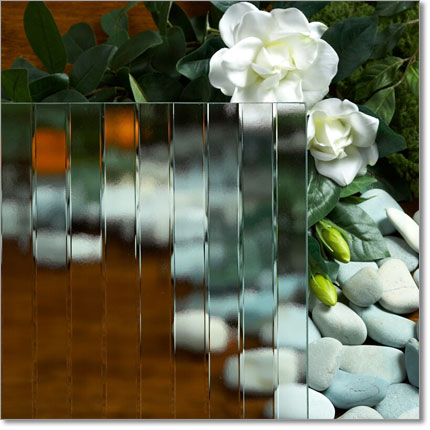
7. The Glazier’s Role: The Skilled Work Behind a Beautiful Glass Installation
When people admire a decorative glass partition or an elegant patterned entrance door, they often notice the final appearance.
What they may not see is the work performed by the professionals who measured, fabricated, handled and installed it.
A glazier’s work requires a combination of technical understanding, practical experience and careful coordination.
Reading Architectural Drawings
Glaziers must interpret drawings, dimensions and installation details to understand how the glass fits into the overall architectural structure.
Incorrect interpretation can lead to dimensional errors or installation complications.
Handling Glass Safely
Glass sheets can be heavy, fragile and difficult to manoeuvre.
Professionals use suitable lifting equipment, handling tools, protective equipment and controlled movement techniques to reduce the risk of breakage and injury.
Maintaining Dimensional Accuracy
The glass must fit the intended opening and work with the selected framing or hardware.
This requires accurate measurements, careful fabrication and proper site coordination.
Installing the Glass Correctly
Installation involves more than placing the panel into an opening.
Glaziers must consider support blocks, setting materials, gaskets, sealants, hardware, clearances and the manufacturer’s installation instructions.
Final Inspection and Finishing
After installation, the glass is checked for alignment, surface condition, secure fitting and overall appearance.
The surrounding frames and sealants also require attention.
A beautiful glass installation is not the result of glass quality alone. It is the result of good product selection, accurate fabrication and professional installation.
The craftsmanship of the glazier is what brings the architectural design to life.
8. How to Select the Right Patterned Glass for Your Project
Choosing patterned glass should involve more than selecting the most attractive design.
The product must satisfy the functional and technical requirements of the installation.
Here are some important factors to consider.
Privacy Requirements
Determine how much visibility needs to be reduced.
Not all patterned glass provides the same level of privacy.
Light Transmission
Consider how much natural light the room requires.
A more heavily textured product may produce a different lighting effect from a relatively subtle pattern.
Pattern Orientation
The direction of the pattern can influence the appearance of the finished installation.
Vertical grooves can emphasize height, while horizontal textures can emphasize width.
Glass Thickness
The thickness should be selected according to the dimensions, installation system, loading conditions and applicable safety requirements.
Processing Compatibility
Confirm whether the selected pattern can undergo the required cutting, edgework, tempering, drilling or lamination.
Maintenance
Some textured surfaces require more attention during cleaning.
The location of the patterned face and its exposure to water, dust and handling should be considered.
Surrounding Architectural Materials
Patterned glass works particularly well when coordinated with materials such as:
- Natural stone.
- Timber.
- Aluminium.
- Stainless steel.
- Brass.
- Painted metal.
- Decorative lighting.
A well-selected pattern can complement these materials and create a more cohesive architectural design.
9. Patterned Glass Specifications and Customization at Bear Glass
Selecting a pattern is only the beginning. The glass must also be available in the appropriate dimensions, thickness and processing configuration.
Bear Glass’s online patterned-glass product page lists the following specifications:
Listed glass thicknesses:
- 1/8 inch
- 5/32 inch
- 3/16 inch
- 1/4 inch
- 1/2 inch
Listed sheet-size options include:
- 36 × 70 inches
- 36 × 84 inches
- 48 × 84 inches
- 60 × 84 inches
- 65 × 96 inches
- 72 × 96 inches
- 84 × 144 inches
- 96 × 130 inches
These are examples from the product page’s broader size listing. Actual dimensions depend on the specific product and current availability.
Customization Services
Bear Glass identifies the following customization capabilities:
Glass Cutting: Glass can be prepared according to approved project dimensions.
Hole Drilling: Suitable products can be processed with drilled openings for specified hardware and fittings.
Edge Finishing: Edges can be processed according to the required finish.
Custom Shapes: Selected glass products can be fabricated into customized shapes.
Tempering: Heat treatment is available for compatible products.
Lamination: Suitable products can be incorporated into laminated constructions.
Delivery and Installation: Bear Glass also lists delivery and installation as available services.
These capabilities allow glass professionals and project teams to consider more than standard off-the-shelf rectangular panels.
Always confirm the availability and compatibility of each service for the specific patterned glass selected.
10. Maintaining Patterned Glass: How to Preserve Its Appearance
Patterned glass requires appropriate cleaning because its textured surface may collect dust, water deposits and other residues.
Unlike smooth glass, certain patterns have grooves or irregular surfaces that require more detailed attention.
Recommended Cleaning Practices
1. Use a Soft Cleaning Cloth
A clean, soft cloth or sponge helps remove everyday dust and dirt without unnecessarily scratching the glass.
2. Select a Suitable Cleaning Solution
Use a compatible, non-abrasive glass cleaner or mild cleaning solution.
For coated or specially treated surfaces, follow the manufacturer’s cleaning instructions.
3. Pay Attention to Grooves and Textured Areas
Soft-bristled brushes can help remove accumulated dirt from deeper textures.
4. Remove Water Residue
Dry the glass and surrounding frames after cleaning to reduce water marks and residue buildup.
5. Avoid Abrasive Materials
Metal scrapers, abrasive pads and harsh chemicals can damage certain glass finishes.
What Should Be Avoided?
- Avoid aggressive scrubbing.
- Do not use unsuitable abrasive cleaners.
- Avoid leaving cleaning residue around gaskets and sealants.
- Do not assume all patterned glass surfaces have identical cleaning requirements.
Regular maintenance helps preserve both the appearance and functionality of the installation.
11. Common Mistakes to Avoid When Specifying Patterned Glass
Even a beautiful glass design can become problematic if the product is not selected or fabricated correctly.
Here are some common mistakes that architects, designers and contractors should avoid.
Choosing a Pattern Without Checking Privacy: A decorative pattern does not automatically guarantee sufficient privacy.
Ignoring Pattern Direction: Inconsistent orientation across adjoining panels can affect the overall appearance.
Selecting Glass Without Checking Safety Requirements: Decorative glass must not automatically be assumed suitable for every safety-critical application.
Ignoring Processing Compatibility: Not every patterned glass can undergo the same cutting, tempering or lamination processes.
Overlooking Edgework: Poorly planned edge finishing can affect the appearance and installation of the final product.
Ignoring Maintenance Requirements: Deeply textured surfaces may need more attention, particularly in bathrooms and humid environments.
Finalizing Without Reviewing Samples: A full-size installation may look significantly different from a small digital product image.
Avoiding these mistakes helps reduce fabrication complications and supports a more successful installation.
12. Frequently Asked Questions About Patterned Glass
Q1. What is patterned glass used for?
Patterned glass is used in windows, doors, bathroom partitions, office dividers, decorative screens, kitchen cabinets, feature walls and selected facade applications. It provides texture, visual interest and varying degrees of privacy while allowing light to pass through.
Q2. How many patterned glass varieties does Bear Glass offer?
Bear Glass’s online Pattern Glass collection lists 43 named glass options. These include traditional patterned glass, wire glass, acid-etched products, decorative mirrors and specialty finishes. Availability may vary by product.
Q3. Is patterned glass the same as rolled glass?
The terms are commonly used interchangeably when referring to glass manufactured through a rolling process that creates a textured surface. However, Bear Glass’s broader decorative collection also includes products made using other manufacturing and surface-treatment techniques.
Q4. Can patterned glass be customized?
Yes. Bear Glass lists cutting, hole drilling, edge finishing and custom shapes among its customization options. Tempering is also available for compatible products.
Q5. Can patterned glass be tempered?
Certain patterned glass products can be tempered. However, compatibility depends on the specific pattern, thickness, glass composition and available processing equipment.
Q6. Can patterned glass be laminated?
Yes, suitable patterned glass products can be incorporated into laminated constructions. The glass and interlayer combination must be evaluated for the intended application.
Q7. Can patterned glass be used in shower enclosures?
Yes, suitable patterned safety glass can be used in shower enclosures. The selected product must satisfy applicable safety-glazing requirements and be compatible with the shower hardware and installation system.
Q8. Does patterned glass completely block visibility?
No. Patterned glass generally modifies visibility rather than completely blocking it. The amount of obscuration depends on the pattern, lighting, viewing distance and product characteristics.
Q9. Is patterned glass suitable for exterior applications?
Certain patterned glass products can be used in exterior windows, doors and suitable glazing systems. The complete installation must be evaluated for structural, thermal, weather and safety requirements.
Q10. How should patterned glass be cleaned?
Use a soft cloth or sponge, suitable non-abrasive cleaning solutions and soft brushes where necessary. Avoid metal scrapers and aggressive cleaning materials that may damage the surface.
Q11. Can patterned glass be used in frameless installations?
Suitable patterned glass can be used in selected frameless applications, provided that the product, thickness, safety characteristics, hardware and installation system are properly specified.
Q12. What is the difference between reeded glass and other patterned glass?
Reeded glass is a specific type of patterned glass featuring parallel linear grooves. Other patterned products may feature geometric, irregular, organic or decorative textures.
13. The Future of Patterned Glass in Architecture: Beyond Transparency
Architecture is continuously evolving, and the materials used in modern buildings are expected to deliver more than basic functionality.
Glass is a particularly good example of this evolution.
Today, designers are exploring ways to use glass not only for visibility but also for privacy, light diffusion, decoration and spatial definition.
Patterned glass provides an opportunity to introduce these characteristics without relying entirely on solid walls or opaque surfaces.
From subtle textures in residential interiors to bold decorative installations in commercial buildings, its applications continue to offer interesting design possibilities.
The real opportunity lies in understanding how each pattern interacts with its surroundings.
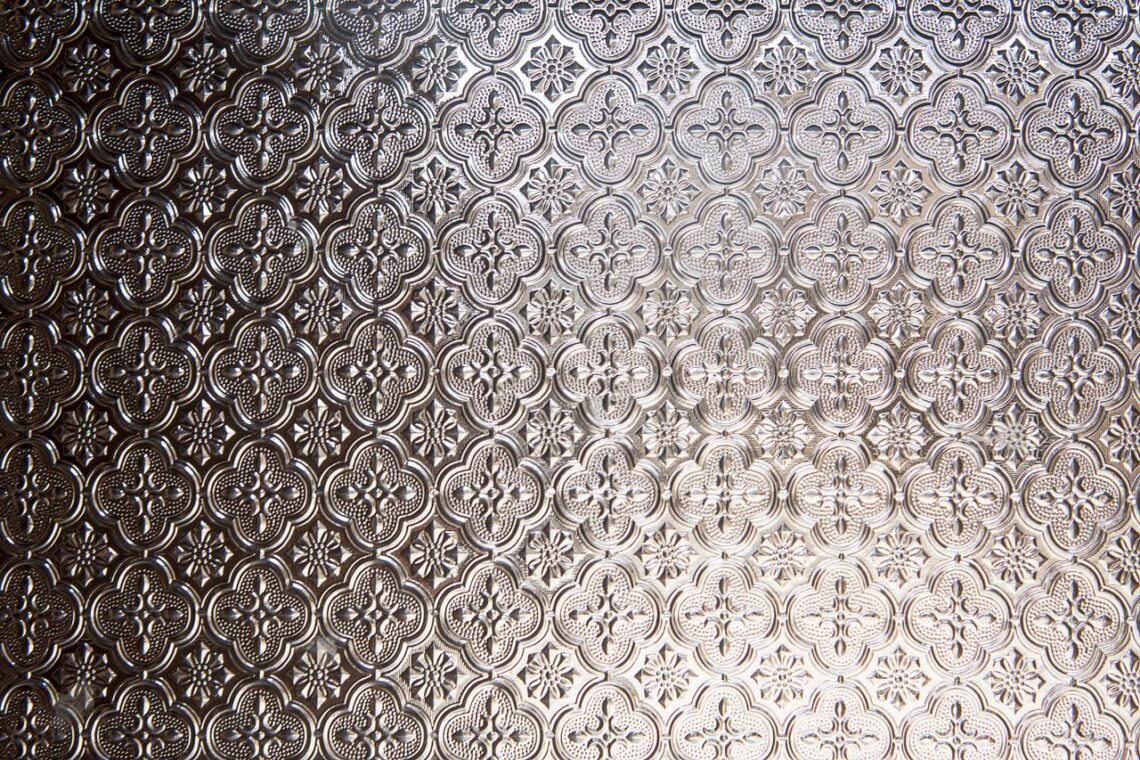
A simple vertical texture can make a partition feel more elegant. A geometric pattern can become a decorative focal point. An acid-etched finish can create a refined office environment. A specialty decorative mirror can transform an ordinary wall into an architectural feature.
But behind every successful installation are the people who understand the material, select the correct product, measure accurately, process carefully and install it professionally.
The beauty of patterned glass is not just in the pattern. It is in the craftsmanship, planning and precision that bring that pattern into architecture.
Explore Pattern Glass at Bear Glass Inc.
Whether you are an architect planning a distinctive interior, an interior designer looking for decorative glass, a contractor coordinating a glazing project or a homeowner exploring new design possibilities, the right glass can make a remarkable difference.
Bear Glass offers a broad patterned and decorative glass collection, with 43 named options listed on its product page, alongside customization and processing capabilities.
Explore the collection, discuss your project requirements and identify the glass that best suits your application.
Bear Glass Inc.
Website: https://bearglass.com/pattern-glass.php
Phone: 718-832-3604
Email: sales@bearglass.com
Choose the pattern. Understand the process. Build with precision.