
Yes—glass can play a surprisingly useful role in helping New York buildings reduce conditions that contribute to rat infestations, especially when it is part of a broader building-envelope and pest-control strategy.
🐀 How Glass Can Help New York Buildings Against Rat Infestation
New York’s dense urban environment creates plenty of opportunities for rats to find food, shelter, and entry points. While glass itself does not repel rats, properly designed and installed glass systems can help close openings, improve building hygiene, and reduce accessible entry routes.
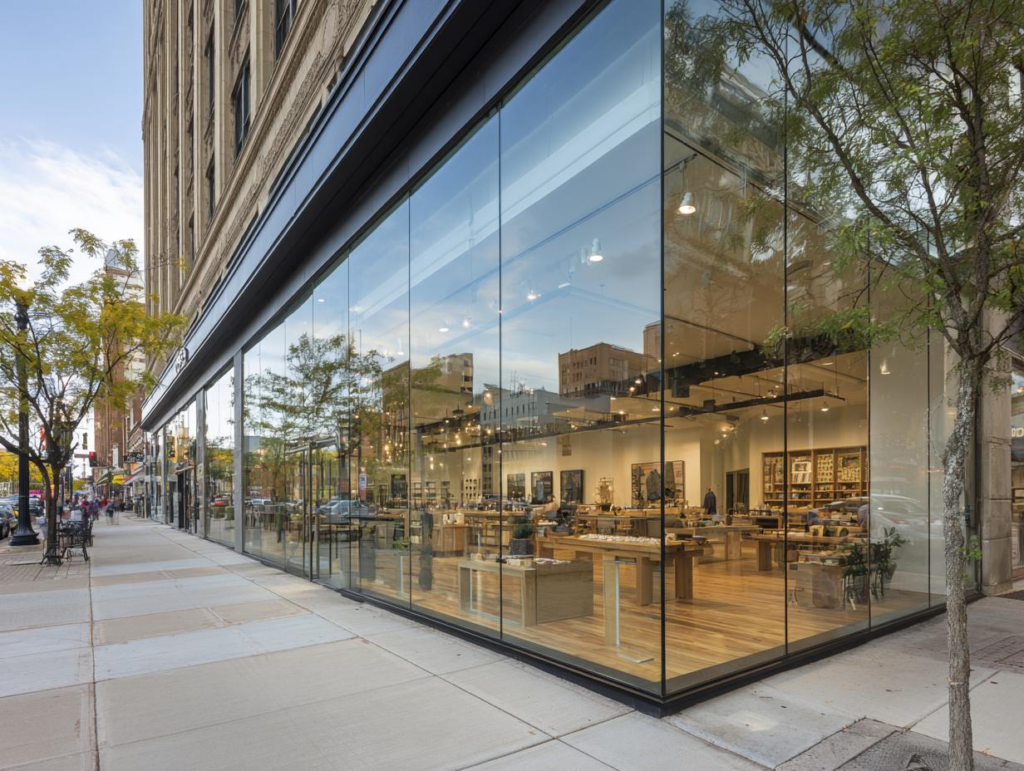
1. Sealed Glass Storefronts Reduce Entry Gaps
Older storefronts and poorly maintained commercial buildings may have gaps around doors, windows, frames, and wall interfaces.
A professionally installed glass storefront system can create a more controlled building envelope when properly sealed around the perimeter.
The key is not the glass alone—it’s the complete system:
Glass + framing + gaskets + sealants + properly sealed joints.
This can help reduce opportunities for rodents to exploit gaps around the building façade.
2. Glass Doors Can Improve Entry Control
For restaurants, retail stores, offices, and apartment buildings, modern glass entrance systems can be designed with:
- Properly fitted door frames
- Weather-resistant seals
- Door sweeps
- Automatic closing mechanisms
- Minimal gaps around the frame
This is particularly relevant in high-traffic New York buildings where doors are frequently opened and closed.
A well-maintained glass entrance can therefore be part of a broader strategy to limit unwanted pest access.
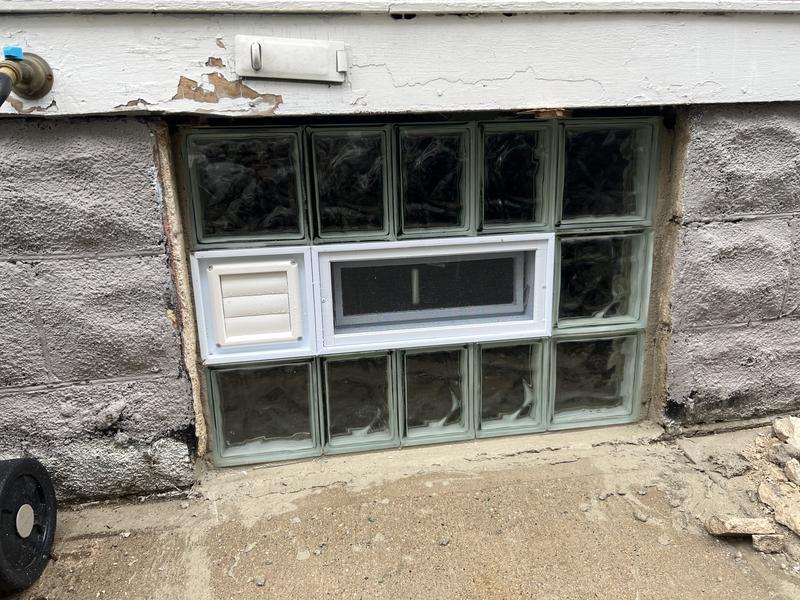
3. Basement Windows Need Special Attention
Basements are often vulnerable areas in older New York buildings.
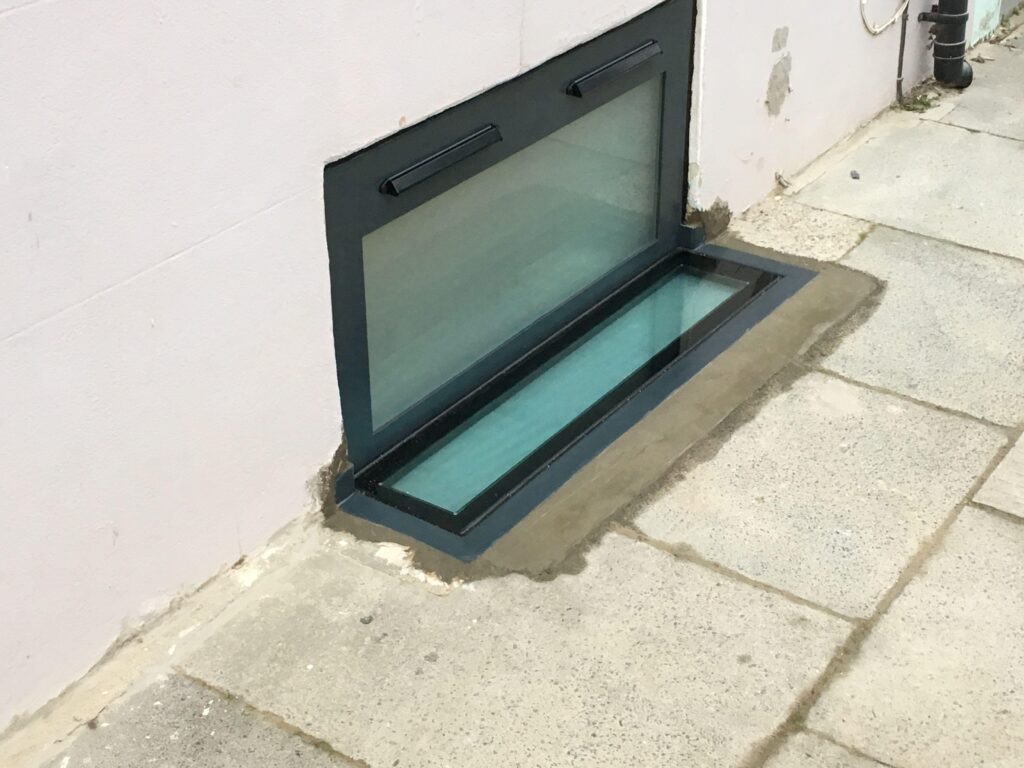
Broken or poorly sealed basement windows can become potential access points for rodents and other pests. Replacing damaged glazing and improving the surrounding frame and seal can help make these openings more secure.
For basement-level applications, the solution may involve a combination of:
Glass + secure framing + metal grilles/screens + perimeter sealing.
The objective is to eliminate accessible gaps—not simply install a new pane of glass.
4. Glass Helps Create Easier-to-Clean Surfaces
Rats are attracted by food waste, grease, and accessible sources of food.
In restaurants, food-service facilities, and commercial spaces, smooth glass surfaces can be easier to clean than porous or damaged materials.
For example, glass partitions, doors, and certain wall applications can help create surfaces that are:
- Non-porous
- Easy to wipe down
- Resistant to absorbing food residues
- Visually easy to inspect
This doesn’t eliminate rats, but better sanitation can reduce the environmental conditions that attract them.
5. Glass Enclosures Can Separate Food-Service Areas
Restaurants and commercial kitchens can use glass partitions and doors to separate different areas of operation.
When properly designed and sealed, these systems can help establish cleaner zones and make it easier to maintain hygiene around:
- Dining areas
- Food preparation spaces
- Storage areas
- Service counters
Again, the effectiveness depends on the entire construction and maintenance system, not just the glass.
6. Damaged Glass Should Be Repaired Quickly
A cracked or broken window is more than a cosmetic problem.
Any damaged opening in a building envelope can potentially become a pathway for pests, moisture, and debris.
For New York property owners and building managers, regular inspections should look for:
Broken glass → damaged frames → missing seals → gaps → potential pest access
Replacing damaged glazing and repairing the surrounding system can help restore the building envelope.
🏙️ The New York Building Connection
For NYC architects, contractors, property managers, building owners, and glass professionals, the bigger idea is this:
Pest resistance starts with a well-maintained building envelope.
Glass can contribute by helping create secure storefronts, sealed entrances, protected basement openings, hygienic interior surfaces, and controlled transitions between indoor and outdoor spaces.
However, glass should be considered one component of a comprehensive rat-control strategy. Effective rodent prevention also requires attention to waste management, food storage, plumbing penetrations, masonry gaps, utility openings, doors, and professional pest-control measures.